

Building stronger restaurants, healthier businesses, and a more sustainable hospitality culture
By Chef Eitan
Costa Rica’s culinary scene has matured rapidly over the past decade. What was once largely driven by tourism and casual beach dining has evolved into something far more ambitious. Across the country – and especially in destinations like Santa Teresa – independent restaurants, boutique hotels, cafés and food concepts are pushing standards higher, bringing creativity, international influence and serious talent into the market.
It is exciting growth – but not easy growth.
Behind many beautiful openings, strong menus and well-designed spaces, there is often a quieter reality: many hospitality businesses struggle not because of a lack of vision, but because running a healthy restaurant is far more complex than cooking well or creating a compelling concept.
And that is where consulting, though often misunderstood, becomes relevant.
Not as a luxury.
As infrastructure.
The Gap Between Passion and Sustainability
Many independent restaurants begin with genuine passion – a chef with a dream, an owner with a beautiful property, a surf-town café built around community and lifestyle. But passion alone rarely protects a business from operational mistakes.
Margins in hospitality are unforgiving. Small errors compound quickly.
A menu priced without true costing.
Too much inventory sitting in refrigeration.
Overcomplicated prep for a small kitchen.
A labor model too heavy for low season.
Concepts that look strong but lack operational coherence.
None of these feel catastrophic on day one.
Over time, they can be.
This is often where young businesses lose money without realizing where it leaks.
Good Restaurants Need Systems, Not Just Talent
One of the quiet truths of successful restaurants is that the best ones are rarely successful by food alone.
They tend to have strong invisible architecture:
* Thoughtful menu engineering
* Purchasing discipline
* Efficient kitchen flow
* Real food cost awareness
* Clear service standards
* Staffing structures that make sense
* Operational systems built for consistency
This is the part of hospitality few romanticize – but it is often what determines whether a restaurant survives.
Consulting, at its best, helps build this architecture.
Not to impose formulas. To create clarity.
Sometimes the value is strategic before opening. Sometimes it is correcting inefficiencies after opening.
Sometimes it is simply helping operators avoid expensive mistakes they haven’t yet made.
And often, the savings created through better systems outweigh the cost of seeking help in the first place.
Why It Matters Especially in Places Like Santa Teresa
In developing hospitality markets such as Santa Teresa, these issues can become even sharper.
Supply chains can be inconsistent.
Costs fluctuate.
Qualified labor is harder to build.
Seasonality affects everything.
Many owners enter hospitality from other industries.
At the same time, competition has become far more sophisticated.



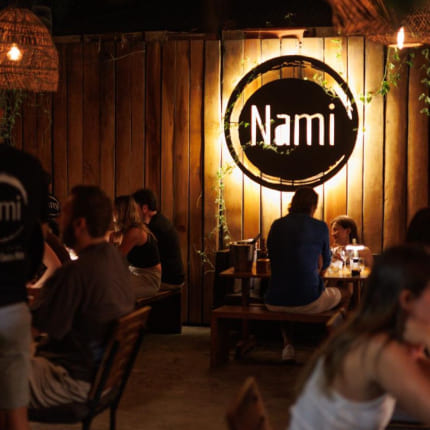


A beautiful location is no longer enough.
Good food alone is rarely enough.
Businesses increasingly need both creativity and structure.
That combination is where many independent operators need support.
Consulting as Prevention, Not Rescue
There is a misconception that consulting is something businesses seek when things are failing.
Often its greatest value is before failure.
Preventing overstaffing.
Correcting pricing before margins erode.
Designing a menu that works both creatively and financially.
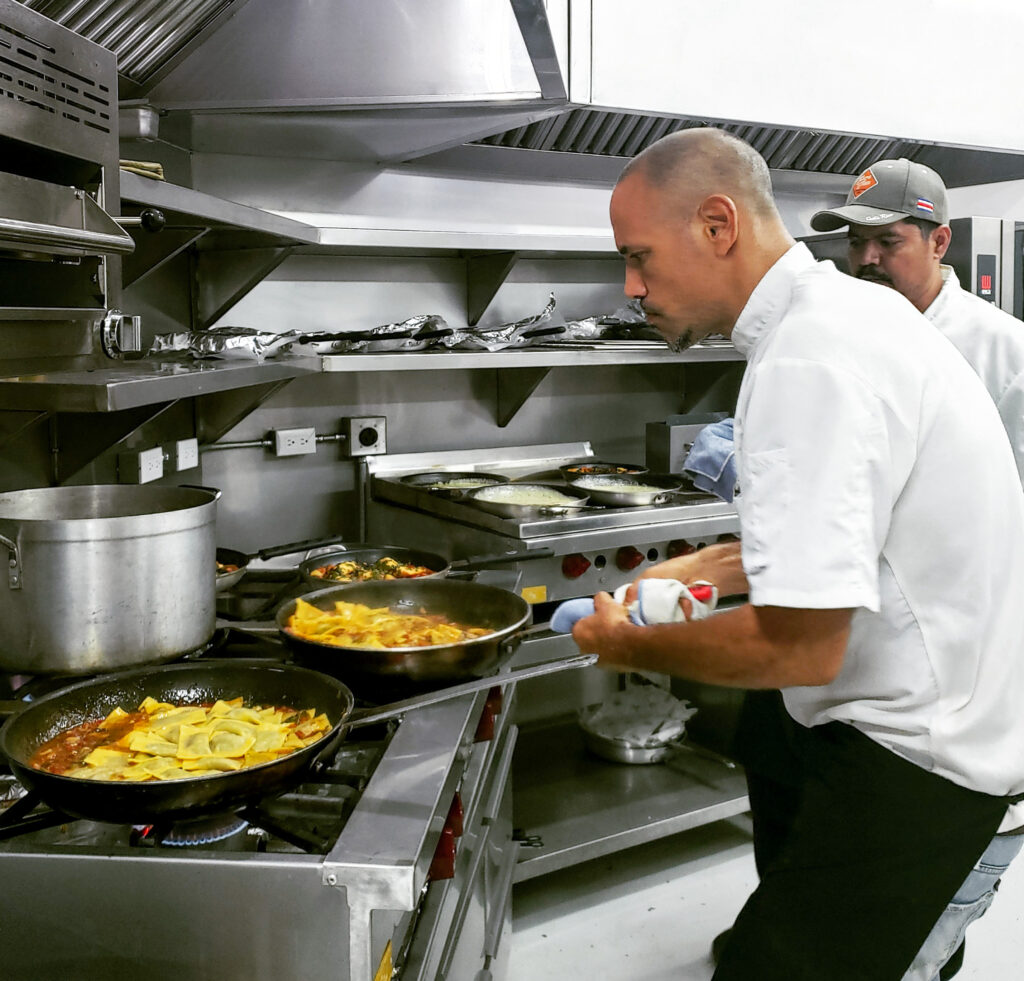
Building workflows suited to a real kitchen, not an abstract one.
In that sense, consulting is less about fixing problems than reducing the chance of creating them.
Especially for first-time operators, that guidance can save years of trial and error.
Raising Standards Collectively
There is also a bigger conversation here.
When restaurants become healthier businesses, it does more than help owners.
It strengthens suppliers.
Creates better jobs.
Raises guest expectations.
Encourages professionalism.
Pushes the culinary culture forward.
A stronger food scene is rarely built by talent alone.
It is built by standards.
And standards usually emerge when creativity is supported by knowledge, discipline and mentorship.
That is where thoughtful culinary consulting – whether through experienced independent advisors or firms quietly working behind the scenes – can play an outsized role in Costa Rica’s next chapter.
Often not loudly.
Often almost invisibly.
But meaningfully.
Because building a better restaurant is rarely only about better food.
It is about building a healthier business.
And those two things, in the long run, are inseparable.
Read more from Chef Eitan: A Taste Built Over Time