



Semana Santa in Costa Rica: Traditions, Faith, and Beach Life in Santa Teresa
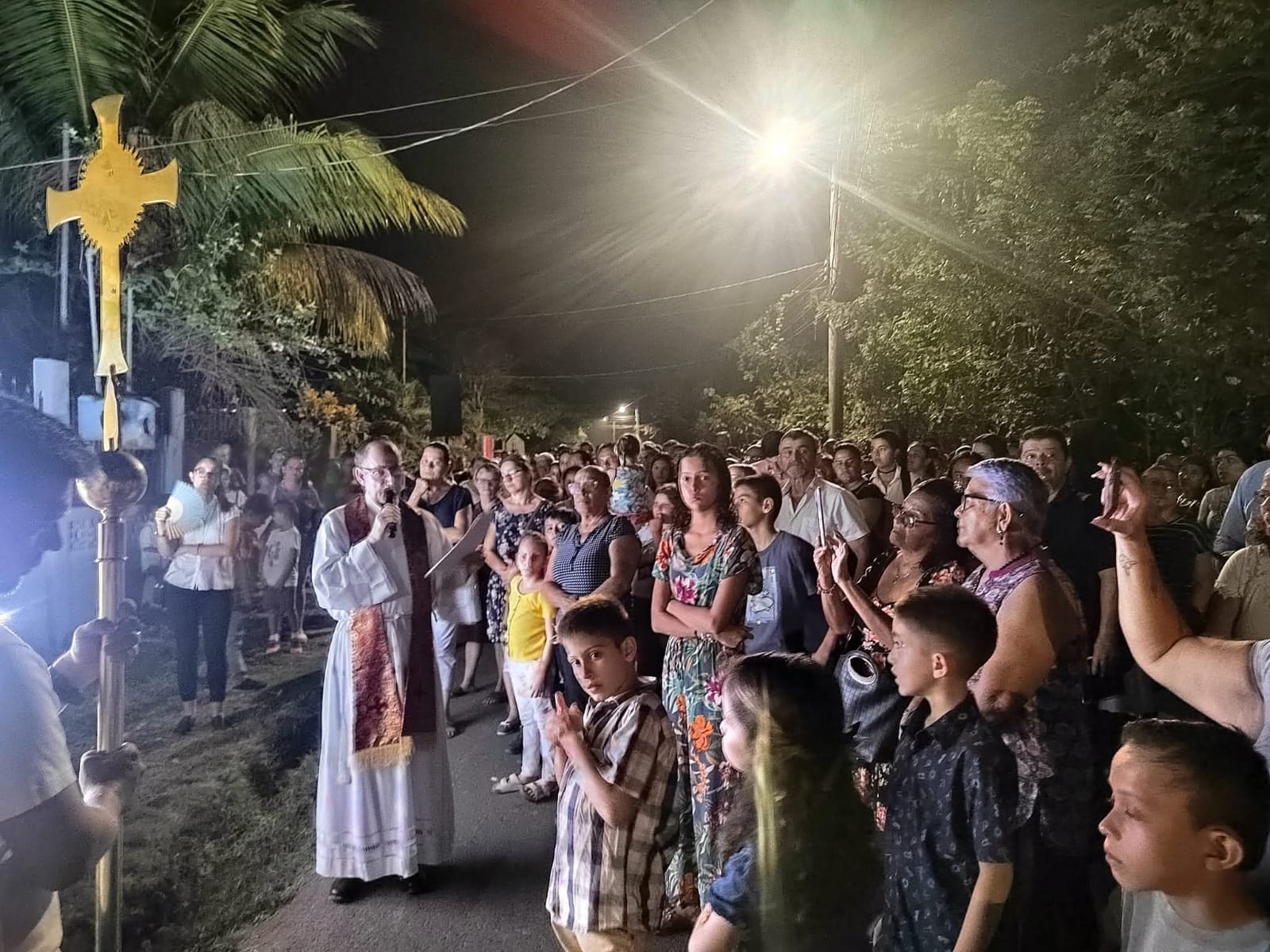
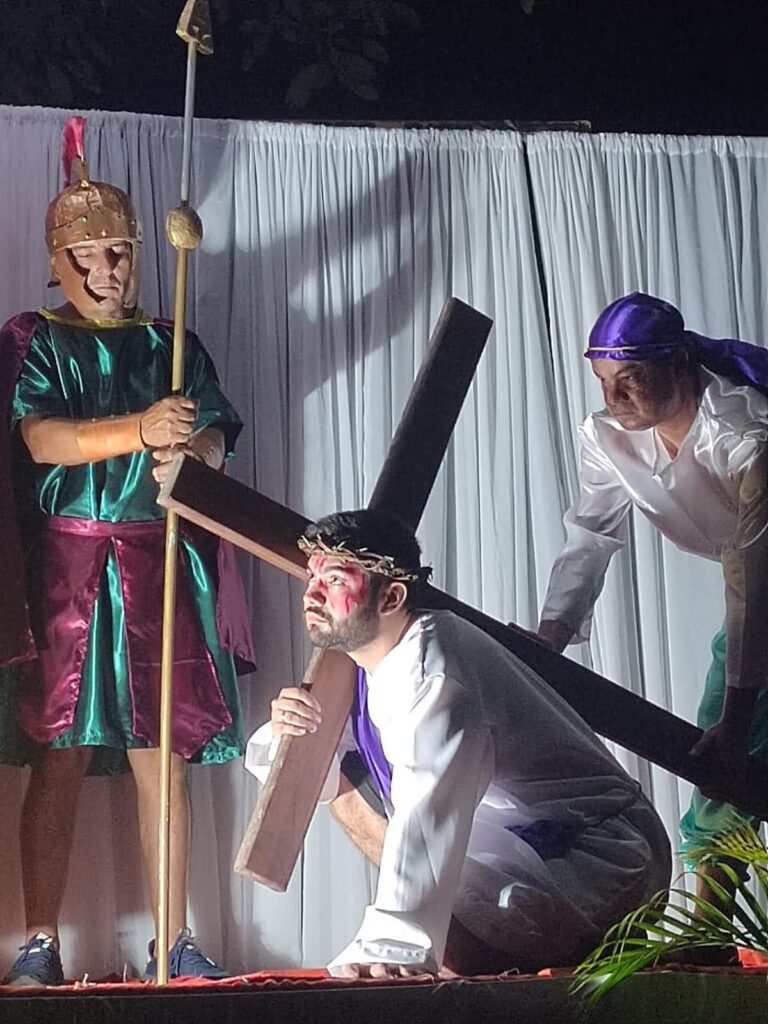
In Costa Rica, Semana Santa—Holy Week leading up to Easter—is one of the most culturally and spiritually significant times of the year, rooted in centuries of Roman Catholicism tradition. Across the country, especially in cities like San José and historic centers such as Cartago, the week unfolds through solemn church services, dramatic street processions known as the Via Crucis, and community-wide observances that bring entire towns to a reflective pause—particularly on Good Friday. These reenactments of the final days of Christ are often elaborate and deeply emotional, blending faith, history, and local identity into a powerful shared experience. Yet, beyond the churches and candlelit streets, Semana Santa also marks a nationwide migration, as thousands of Costa Rican families leave the cities behind and head toward the coasts—transforming beach towns like Santa Teresa into vibrant, bustling hubs where tradition meets the rhythm of the ocean.
Semana Santa in Santa Teresa: Tico Traditions, Processions, and Beach Rituals
In Santa Teresa Costa Rica and its neighboring beaches—Mal País Costa Rica, Playa Hermosa Costa Rica, and Manzanillo Costa Rica—Semana Santa unfolds in a rhythm that is deeply Tico at its core. This is the week when families return to the coast, reconnect, and move between faith and celebration in a way that feels both grounded and alive.
The most visible local tradition comes midweek into Good Friday (Viernes Santo), when the community gathers for a small-town Via Crucis procession. In Santa Teresa, this often takes the form of a humble but powerful march through the main roads—led by local school groups, with children playing drums and instruments, and residents walking together in quiet reflection. It’s not polished or staged, and that’s exactly why it resonates. You hear it before you see it—the slow beat of drums rolling down the dirt road, calling people out of their homes to join.
Good Friday itself carries a slower, more reverent tone. Many local families observe traditions passed down through generations—keeping the day quiet, avoiding the ocean, and spending time together. There’s a sense of pause, even here, where life usually runs barefoot and fast.
But step onto the beaches, and the other side of Semana Santa comes alive.
From Thursday through Sunday, the coastline fills with Costa Rican families who have made this journey for decades. Tents go up early. Coolers are unpacked. Grills fire up under almond trees. The beaches of Mal País, Hermosa, and Manzanillo transform into full family gatherings—multi-generational, music playing, kids running wild, the smell of food drifting through the salt air.
Food is a central part of the tradition, and during Semana Santa, it follows its own rules. Many Ticos avoid red meat, especially on Good Friday, turning instead to the flavors of the sea and countryside:
- Fresh ceviche and whole fried fish
- Arroz con mariscos shared in large portions
- Homemade empanadas de piña.
- Tamal mudo, picadillo de palmito
- Miel de chiverre, slow-cooked and rich, passed between families like a seasonal ritual
In Manzanillo Costa Rica, there has long been a tradition of community beach activities during Semana Santa, including the well-known sandcastle contests that brought families together right at the edge of the tide. While these events have shifted over the years and may not happen as formally as they once did, the spirit remains—families building, playing, and claiming their space on the sand for the week.
This is Semana Santa, Tico style—
where a solemn procession on Friday can give way to laughter on the beach by afternoon, where recipes carry memory, and where the coastline becomes a living, breathing gathering of family, tradition, and time shared under the sun.
Easter Beyond Costa Rica: From Ancient Faith to Modern Traditions
While Semana Santa in Costa Rica leans deeply into faith, reflection, and family, Easter takes on a slightly different flavor across North America and Europe—where centuries-old religious meaning now blends with colorful, playful traditions that many grew up with.
At its core, Easter in the Christian world still marks the same moment—the resurrection of Jesus Christ, the culmination of Holy Week in Christianity. Church services, often held on Easter Sunday morning, remain central for many families, whether in United States, Canada, or across Europe.
But over time, especially in North America, Easter has expanded into something more layered—part sacred, part seasonal celebration of spring, renewal, and new life.
That’s where the familiar traditions come in:
- Easter eggs, often brightly colored or decorated
- Easter egg hunts, where children search for hidden eggs in gardens and parks
- Chocolate bunnies and baskets filled with sweets
These traditions trace back not to the Bible, but to older European customs—particularly from Germany, where the idea of the Easter Bunny (an egg-laying hare) first appeared. Eggs themselves have long symbolized fertility and new life, tied to the arrival of spring after winter. Over generations, these symbols blended into Easter celebrations, especially as European immigrants carried them to North America.
Across Europe, traditions still vary widely:
- In Italy, Easter remains deeply religious, with grand processions similar to those seen in Latin countries
- In Spain, Semana Santa is marked by dramatic, elaborate parades with centuries-old brotherhoods
- In France, church bells “fly to Rome” and return with chocolates for children
- In United Kingdom, families celebrate with egg hunts, hot cross buns, and long weekend gatherings
So when these traditions arrive in a place like Santa Teresa, they come mixed—woven together by travelers, expats, and families who bring pieces of home with them.
You’ll see it in subtle ways: It’s Easter, just… reimagined.
And when you step back and look at the bigger picture, something interesting happens.
In one small coastal town, during the same stretch of days, you have:
- Semana Santa — rooted in reflection, sacrifice, and faith
- Passover — centered on freedom, history, and storytelling
- Easter traditions from North America and Europe — celebrating renewal, family, and the arrival of spring
Passover in Santa Teresa: A Tradition of Freedom and Gathering
Alongside Semana Santa, another ancient tradition unfolds quietly across Santa Teresa Costa Rica. Passover, rooted in Judaism, tells the story of the Israelites’ journey from slavery to freedom in ancient Egypt—a story carried through generations.





In 2026, Passover begins at sunset on April 1 and continues through April 9, with the most important gatherings taking place during the first nights of the holiday.
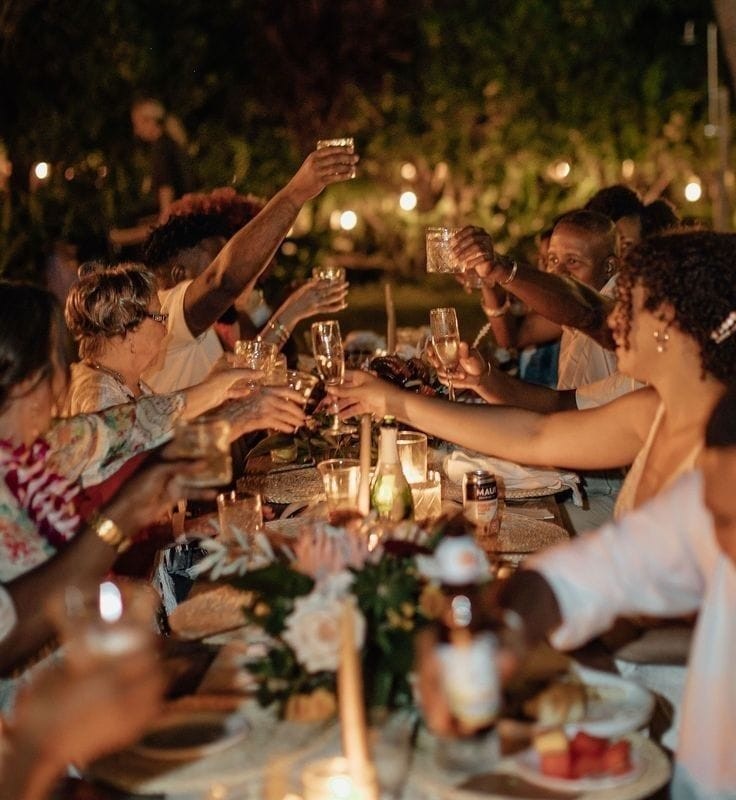
Here in Santa Teresa, Passover is marked by large shared meals known as Seders. Friends and families gather around long tables, reading from traditional texts, sharing symbolic foods like matzah and bitter herbs, and retelling the story together through prayer, questions, and song. It’s a time for reflection, connection, and remembering a story of resilience and freedom.
And just like Semana Santa, Passover is about more than ritual—it’s about identity, memory, and connection.
Two traditions, unfolding side by side here on the Nicoya coast.
One carried through the streets in quiet procession.
The other carried through words, questions, and shared meals.
Different histories. Different faiths.
But both rooted in something deeply human—
the need to remember, to gather, and to pass the story on.
Different origins. Different expressions.
But all circling the same deeper themes—
renewal, remembrance, and coming together.
And maybe that’s the real story here.
Not just what each tradition means on its own…
but how, in a place like Santa Teresa, they all meet—
barefoot, sunlit, and shared.