


By Mango Jane, for the Santa Teresa Dirt Road
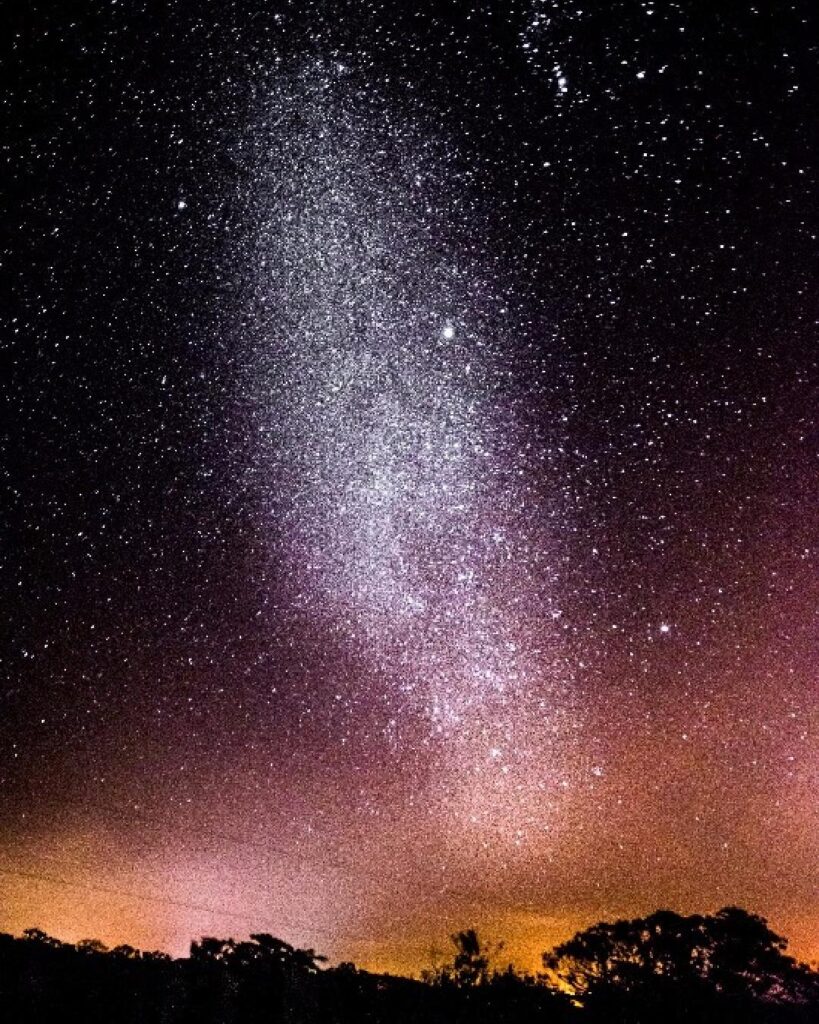
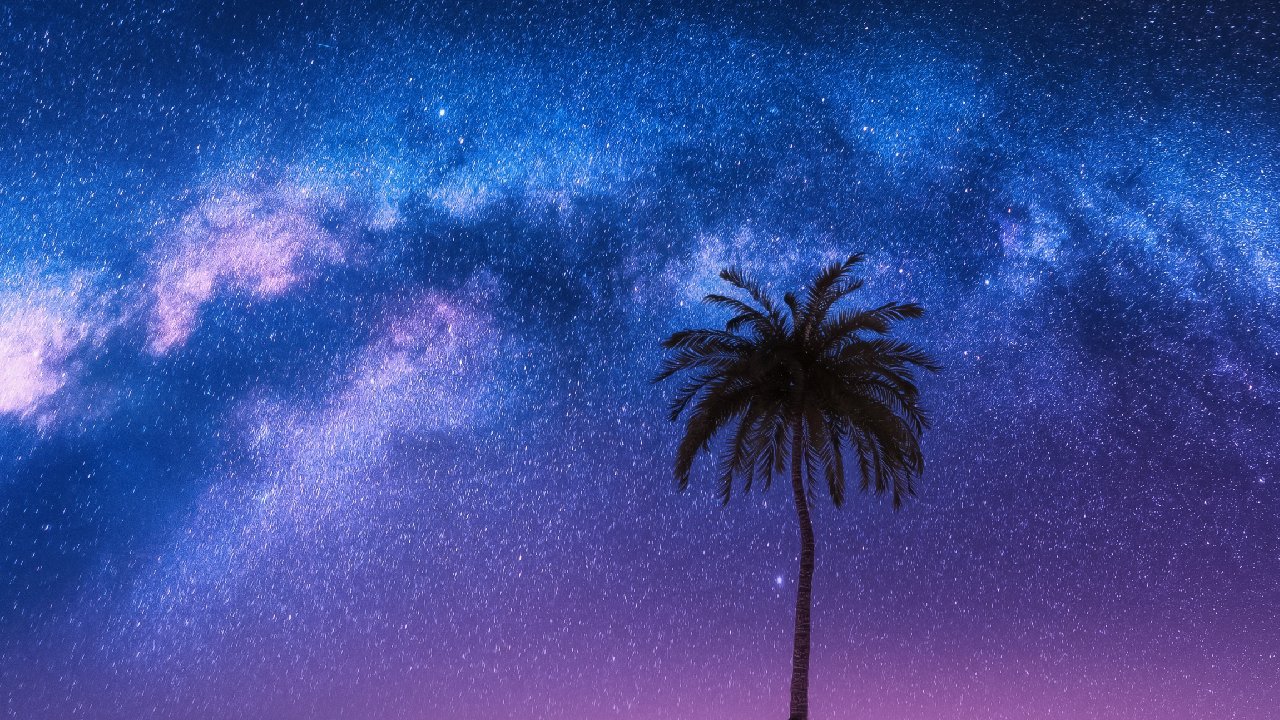
When the last surfboard leans against the wall and the evening breeze exhales over the jungle, a different kind of show begins. Out here at the lower belly of the hemisphere — 9.6° north, just a whisper above the equator — our night sky doesn’t just sparkle. It reveals. It opens like a quiet portal, a shimmering reminder that even in a town built on salt, sand, sweat, and sunsets… the universe still steals the spotlight.
When guests are asked to give their top 3 things they did while visiting the area, almost every time they agree, stargazing is at the top of their list…, ¨we love sitting in the pool at night, with no disturbing lights from other houses, and watch the huge sky. You feel so small against a sky so big. The night sky is so clear that the stars actually have layers upon layers, you almost feel like you’re floating amongst them¨.
A Sky That Belongs to Both Hemispheres
Our latitude is a rare sweet spot on this spinning blue marble. Santa Teresa, Malpaís, Hermosa, Manzanillo, all share the same cosmic privilege: a sky where the northern and southern heavens shake hands.
That means we’re one of the few places on Earth where you can catch:
- The Southern Cross (Crux) guiding the night from April through June
- Orion flexing across the January sky
- Scorpius and Sagittarius arcing over the Milky Way’s galactic core in July and August
- Pegasus and Andromeda sweeping in as the year winds down
And yes — on the right night, with a little patience and a lot of luck — you can even spot both Polaris, the North Star, and the Southern Cross. Two ancient navigators, one horizon. A cosmic wink from Earth’s balance point.
Why Travelers Keep Raving About the Night Sky (Even if We Don’t Talk About It Enough)
Most tourists come for the surf, the yoga, or the tan that tells their boss, “I’ve been touched by the equator.”
But the quiet truth?
One of their strongest memories is the moment they looked up at night… and felt small in the best possible way.
Santa Teresa unintentionally hits nearly every mark on the global “perfect stargazing” checklist:
- Almost no light pollution. The jungle eats artificial light like a hungry sloth at a salad bar.
- Western horizon. The Milky Way sinks straight into the Pacific — an ocean-meets-cosmos finale you can’t script.
- Hilltop Airbnbs above the canopy. Elevated decks = natural observatories with howler monkeys as backup singers.
- Dry season clarity. November through May brings crisp, cloudless skies and next-level visibility.
- Near-equatorial latitude. Year-round constellations that folks from northern cities never even knew existed.






Stargazing isn’t a “bonus activity” here. It’s a nightly masterpiece hiding in plain sight.
A Cosmic Calendar for Curious Travelers
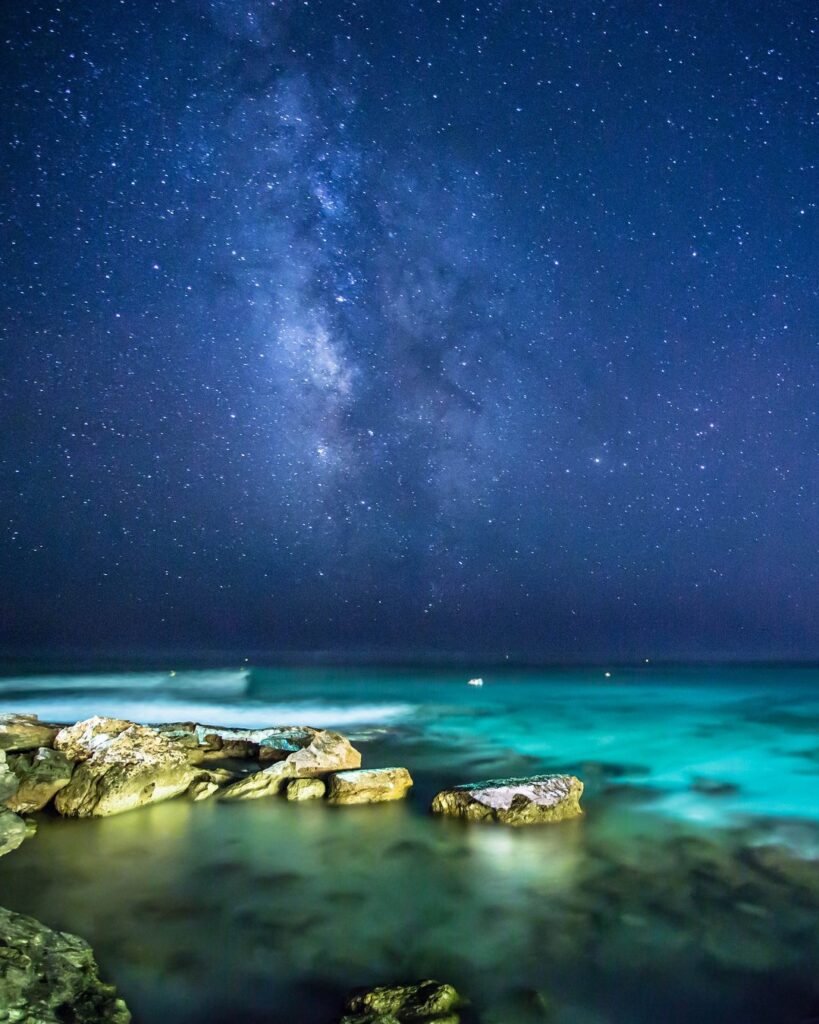
If you want to pitch Santa Teresa as the Pacific Coast’s next stargazing hotspot (and trust me, it deserves the title), here’s what visitors can see:
January–March: Orion, Sirius, and crisp northern constellations
April–June: The Southern Cross at peak visibility
July–September: Scorpius and Sagittarius pointing toward the Milky Way’s glowing core
October–December: Pegasus, Andromeda, and galaxy-viewing nights
Meteor showers like the Perseids, Geminids, and Quadrantids explode beautifully over our dark skies with zero urban interference.
From Ancient Navigators to Today’s Cosmic Surfers
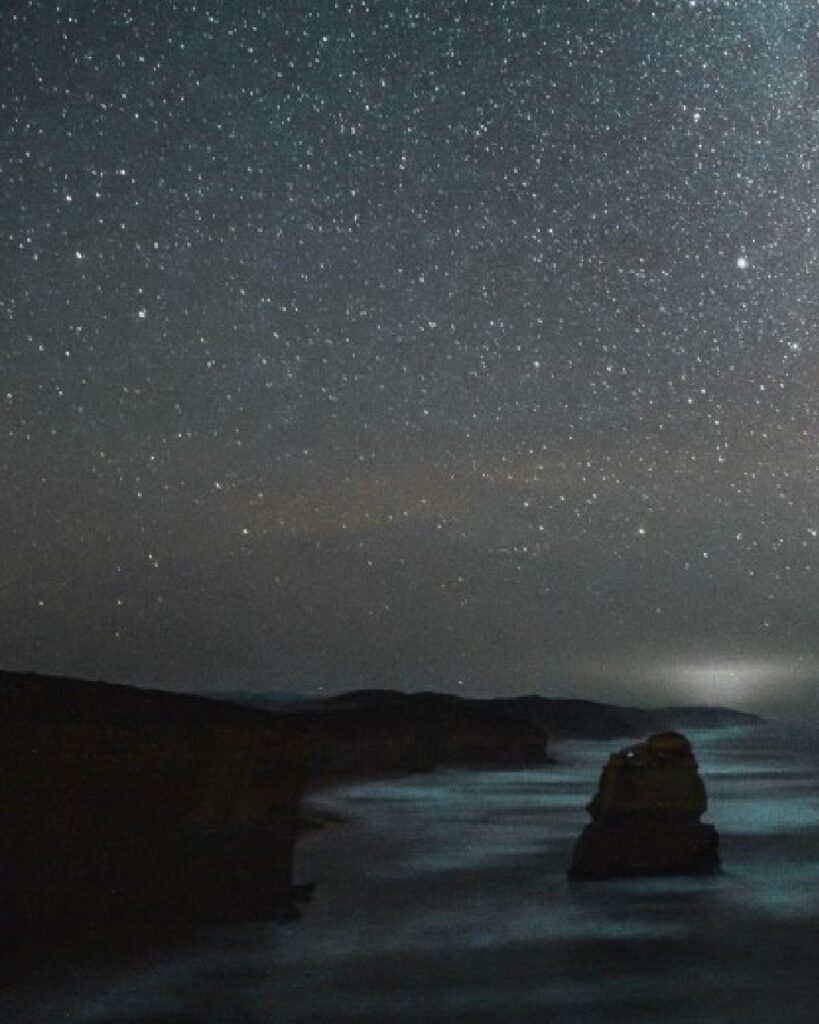
Long before we chased perfect rights at La Lora, humans chased the stars.
Polynesian voyagers memorized entire star paths. Babylonians charted the planets. The Greeks imagined gods riding chariots through constellations. Our ancestors didn’t just admire the sky — they used it as a compass, a clock, a teacher.
And out here, far from the city glare, that ancestral feeling returns.
You lie back on a warm deck, the jungle hums below, and the Milky Way arches overhead.
You’re not stargazing.
You’re time traveling.
Tools to Bring the Universe Even Closer
Modern stargazers don’t have to guess which bright dot is which. These apps turn your phone into a pocket observatory:
- SkySafari 7 Pro – For the serious sky nerds
- Stellarium Mobile – Planetarium-level magic
- SkyView Lite – Point and identify
- Star Walk 2 – AR stargazing with poetic flair
Hand your guests one of these apps and suddenly the sky becomes interactive — education wrapped in awe.
Our Horoscope Section: Born From This Very Sky
Your newspaper’s new horoscope page isn’t recycled astrology fluff.
It’s local, grounded, inspired by this horizon and these stars.
Each sign gets:
- Daily Mantra – grounding energy for the day
- Lucky Break – where to aim your intuition
- Cosmic Cue – a wink from the universe
This is astrology written by someone who actually watches the sky.
It’s Pura Vida with stardust.
The Night Sky: Our Most Underrated Attraction
Santa Teresa’s brand has always leaned toward the earthy — surfboards, jungle paths, barefoot sunsets. But now, with wellness travelers, digital nomads, and eco-seekers arriving year-round, astrotourism is one of the most forward-thinking ways we can diversify the visitor experience.
And unlike surf conditions or tide charts…
the stars show up every night.
So the next time someone asks what there is to do in Santa Teresa after dark, skip the usual list.
Point upward.
The universe already wrote the brochure.
Clear skies, cosmic wonder, and one more reason to fall in love with this wild peninsula.
Pura Vida — see you under the stars.