



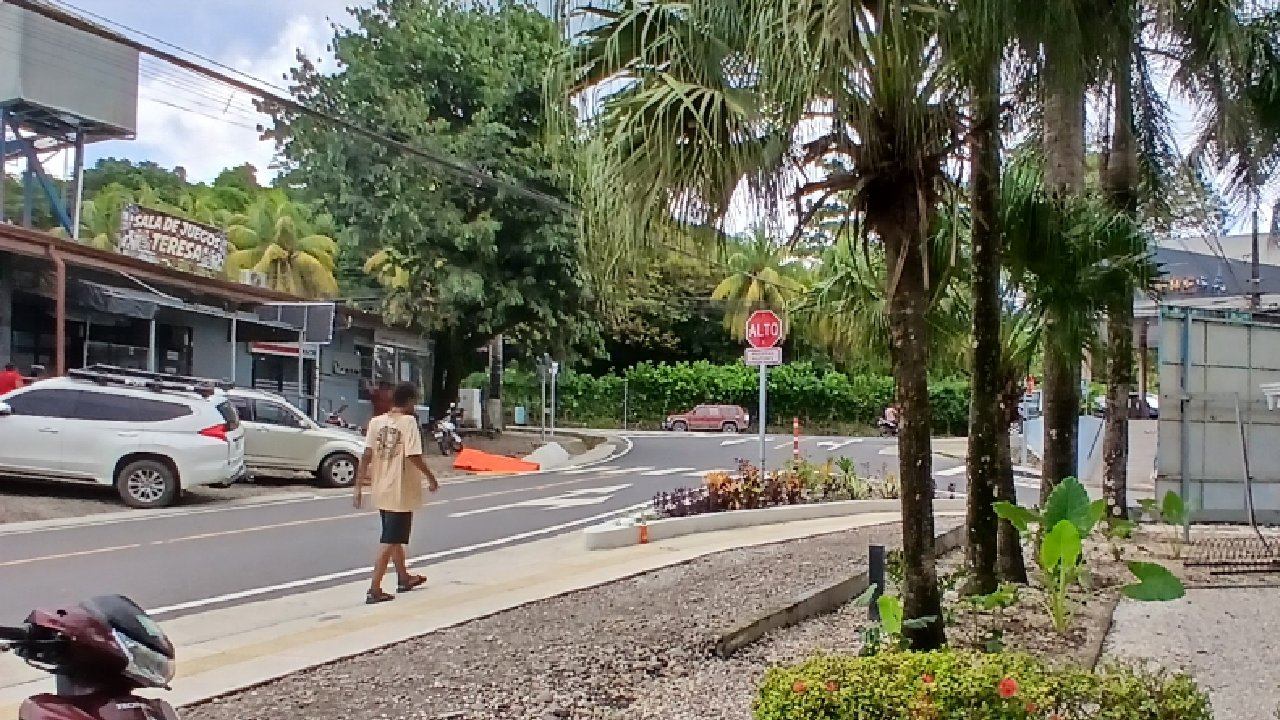
Costa Rica’s Political Pulse in 2025
Costa Rica’s traditionally stable democracy experienced a turbulent political year in 2025 as President Rodrigo Chaves navigated institutional conflict and rising public scrutiny. Throughout the year, the executive branch clashed with judicial and electoral authorities in a series of high-profile disputes that dominated Costa Rica political news in 2025.






Central to the controversy were repeated attempts — ultimately unsuccessful — to strip President Chaves of presidential immunity in connection with corruption and political-interference allegations. Lawmakers in the Costa Rica Legislative Assembly twice blocked motions to lift his immunity despite mounting complaints from the Supreme Electoral Tribunal (TSE) and the Attorney General’s Office, leaving legal challenges unresolved as the country approaches the 2026 Costa Rican presidential elections.
Public debate intensified around rule-of-law concerns and the separation of powers in Costa Rica’s democracy. Tensions peaked in March when the president led an unprecedented protest against the judiciary — a move critics argued placed pressure on Costa Rica’s historically independent institutions.
Security and crime policy also became a defining national issue. In response to rising violence linked to regional drug-trafficking networks, the government inaugurated plans for a high-security prison modeled after El Salvador’s controversial mega-prison system, signaling a tougher “mano dura” approach to crime. The shift marked a notable change for Costa Rica, a nation long known for its pacifist tradition and lack of a standing military.
On the legislative front, Costa Rica enacted a historic reform allowing the extradition of Costa Rican citizens for international drug-trafficking and terrorism charges, a major legal shift aimed at strengthening international cooperation against organized crime.
Meanwhile, Costa Rica’s economic governance received international recognition. The International Monetary Fund approved a Flexible Credit Line for Costa Rica, supporting the country’s fiscal reform agenda following years of economic restructuring and growth.
Across the political spectrum, Costa Rica’s 2025 political landscape revealed deep debates about transparency, accountability, public security, and civil liberties — setting the stage for a highly consequential 2026 national election cycle.
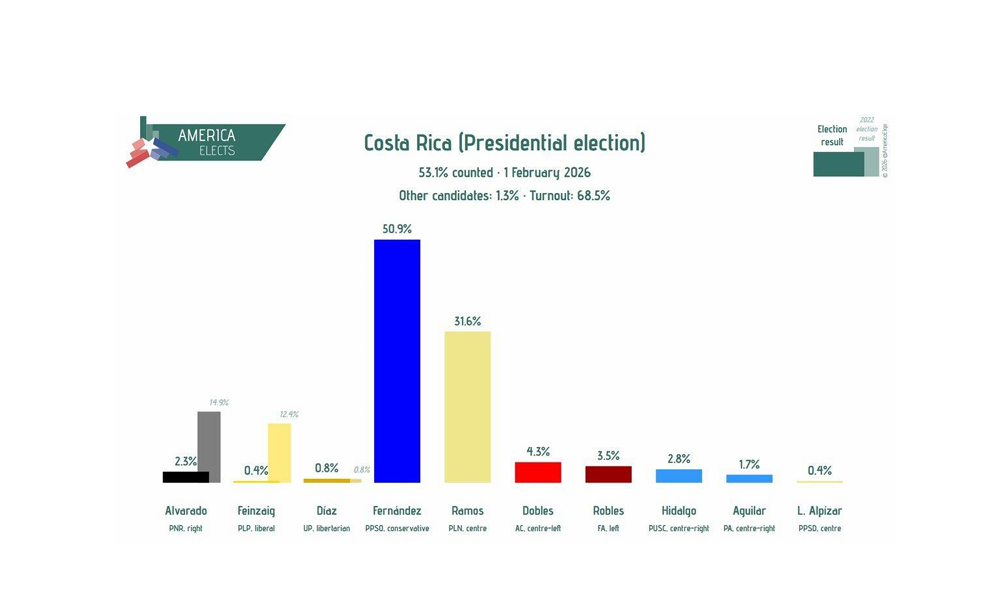
Source: America Elects / official election reporting.
Puntarenas Province News — 2025 in Review
In Puntarenas Province, 2025 was marked by infrastructure progress, environmental challenges, and community-focused development along Costa Rica’s central Pacific coast. As tourism and population growth continued, public investment aimed to strengthen essential services across the region.
One of the year’s most significant milestones was the inauguration of the Monseñor Víctor Manuel Sanabria Martínez Hospital in Puntarenas, now the largest and most modern healthcare facility in Central America. The new hospital expands specialized medical services for more than 350,000 residents across the province and serves as a vital healthcare hub for communities throughout the Nicoya Peninsula, including Santa Teresa, Mal País, and Cóbano.
Transportation infrastructure also saw improvements in 2025.
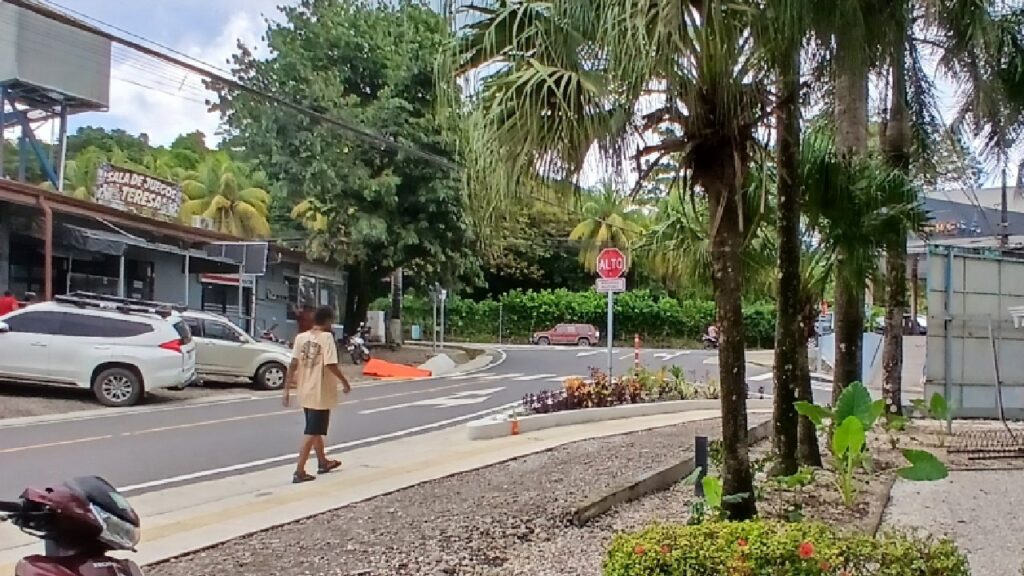
Major road upgrades across Puntarenas Province enhanced connectivity between coastal communities and neighboring provinces, improving travel for residents, tourism operators, and local businesses.
Seasonal weather again tested infrastructure resilience. Heavy rains during the rainy season prompted the Ministry of Public Education to temporarily suspend classes in parts of the province, underscoring the ongoing need for climate-resilient planning and infrastructure upgrades.
Public safety and tourism infrastructure also received attention. Construction advanced on a new tourist police station in Santa Teresa de Cóbano, designed to strengthen security services in one of Costa Rica’s fastest-growing international tourism destinations.
Meanwhile, rural development initiatives across Puntarenas continued expanding access to essential services such as clean drinking water and electricity, helping integrate remote communities into the region’s broader economic growth.
From healthcare expansion to road improvements, Puntarenas Province in 2025 demonstrated how coordinated public investment can shape everyday life across Costa Rica’s diverse Pacific coastline.
Cóbano Municipality — 2025 Local Government Highlights
At the local level, Cóbano municipal governance in 2025 focused on long-term planning, infrastructure upgrades, and strengthening public services for residents and visitors across the district.
A major financial milestone came with the approval of the largest municipal budget in Cóbano’s history, allocating more than ₡4.445 billion colones for 2026 municipal operations and infrastructure projects. The expanded budget reflects growing tax revenues tied to rapid tourism development in Santa Teresa, Mal País, and surrounding communities.
Infrastructure remained a key priority. Several road-paving projects in Santa Teresa and Cóbano advanced during the year, easing travel conditions along frequently used routes and supporting the area’s expanding tourism economy.
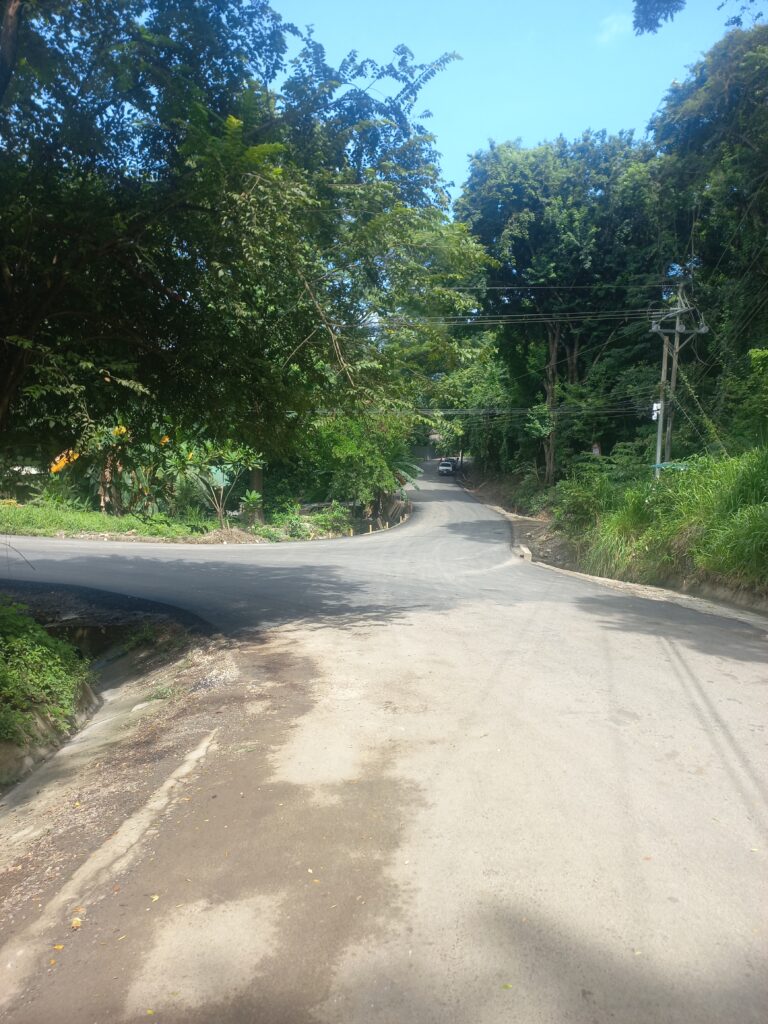
Public safety improvements also moved forward. Plans for a new Santa Teresa Tourist Police Delegation continued development, bringing additional law-enforcement resources to busy beach areas and visitor zones.
Meanwhile, discussion about Cóbano becoming a canton (cantonato status) resurfaced in public debate. If approved, the shift would give the district greater administrative autonomy within Costa Rica’s political structure. However, the proposal continues to generate discussion regarding legal frameworks, governance readiness, and local identity.
Taken together, 2025 represented a year of strategic groundwork for Cóbano’s municipal leadership, balancing everyday services with long-term planning for a rapidly evolving coastal community.
Santa Teresa & Cóbano Community News — 2025 Frontlines
Beyond the ongoing fight to maintain public access to La Lora Beach in Santa Teresa, and new debates surrounding main-road parking regulations, 2025 brought a series of very real, very local challenges shaping daily life across Santa Teresa and Cóbano, Costa Rica.
In early spring, authorities uncovered dozens of workers in irregular migratory and labor conditions at local businesses, sparking renewed discussion about labor rights, immigration enforcement, and the realities of operating within a rapidly growing tourism economy.
Infrastructure coordination also became a flashpoint. The absence of AyA (Costa Rica’s national water authority) staff for nighttime infrastructure work forced daytime road closures along Santa Teresa’s main road, leading tourism groups and local businesses to call for improved planning to reduce traffic disruptions.
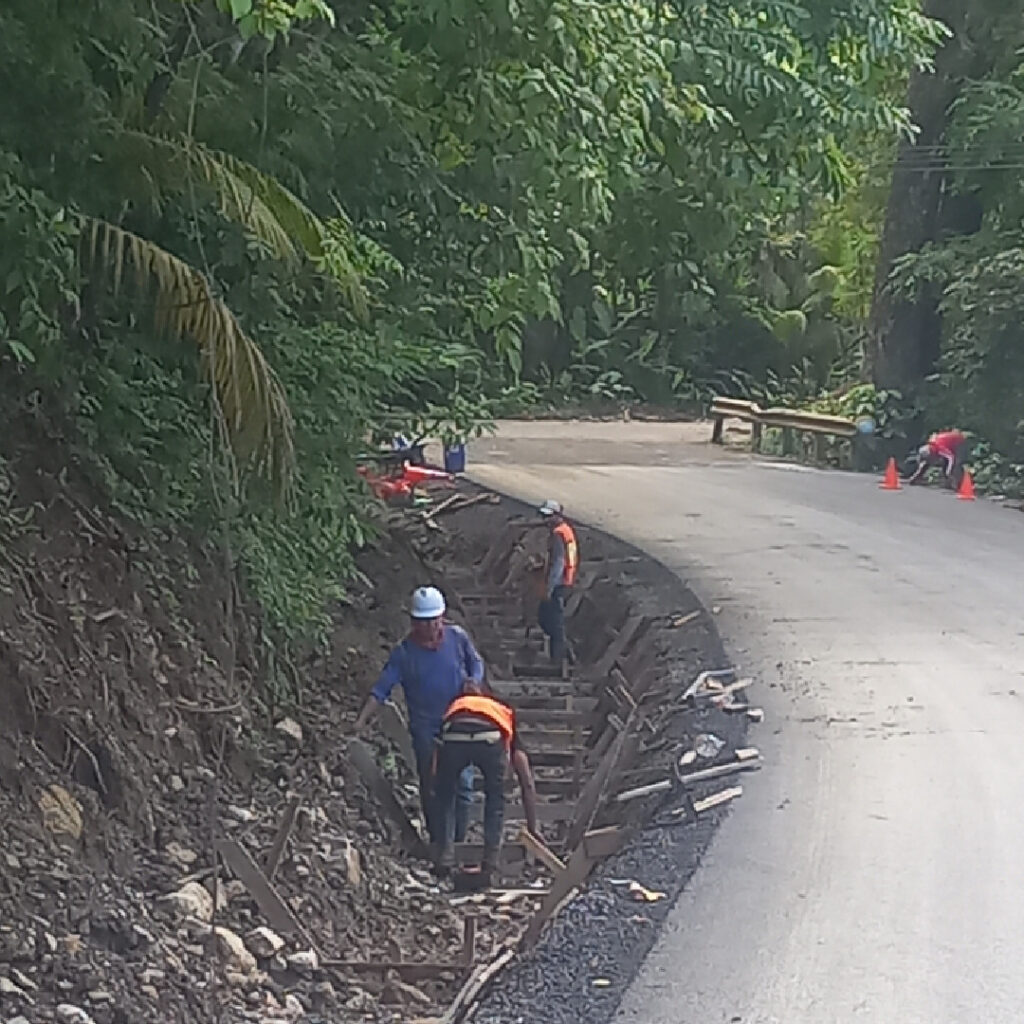
Looking toward long-term solutions, students from the Costa Rica Institute of Technology (TEC) received recognition for designing a sustainable wastewater treatment plant proposal for Santa Teresa and the Cóbano district — highlighting how new generations of engineers and planners are contributing to infrastructure solutions for the Nicoya Peninsula.
Community spirit also found lighter moments. The first Cóbano Run, held along the Pacific coast, brought together residents and visitors for a celebration of sport, health, and local pride — a reminder that even amid growth and change, community connection remains strong.
Through it all, conversations about development, workforce dynamics, infrastructure, and community identity in Santa Teresa continued daily — not as distant policy debates, but as real discussions in cafés, markets, surf shops, and town halls about what kind of coastal community Santa Teresa hopes to become in the years ahead.