



The dream starts here — but so do the potholes. Let’s not blow a tire.
INTRODUCTION: Welcome to the Jungle (Literally, and Legally)
You’ve landed in Costa Rica — barefoot, salty-haired, staring at a slice of land framed by jungle vines and whispering ocean winds. You’re thinking: This is it. My new life.
Pause. Sip the coconut. Hold your wallet.
Buying land in Costa Rica can be one of the most soul-expanding decisions of your life — or a slow-motion bureaucratic mudslide if you skip the details. This isn’t fear-mongering; it’s friendly fire prevention.
Whether you’re dreaming up a surf shack, mountain casita, wellness retreat, or eco-lodge for fellow wanderers, here are the 10 non-negotiables you need to know before putting money down in the land of pura vida.
1. Yes, Foreigners Can Own Land — But…
The good news: foreigners can own land in Costa Rica with the same rights as locals. No citizenship required. No special visa. Your passport is enough. The but: this only applies to titled property, and you still need:
- A clean title
- A reputable Costa Rican notary
- Zero assumptions
This is not the place for handshake deals or “my cousin knows the owner” logic.
2. Always, Always Verify the Title
Every legitimate property must be registered in the National Registry (Registro Nacional). Your lawyer should confirm:
- Title is registered and active
- Property boundaries match reality
- No liens, mortgages, or annotations
- Ownership history is clean
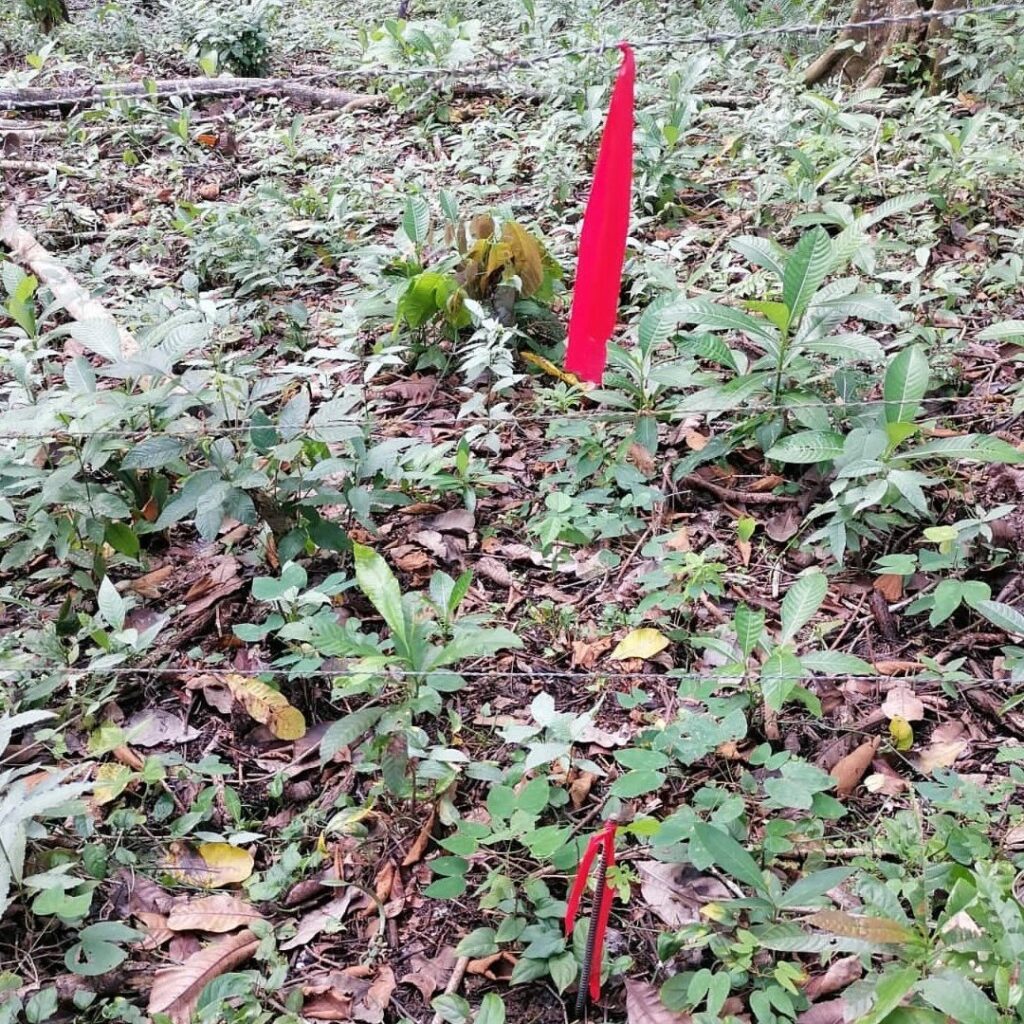
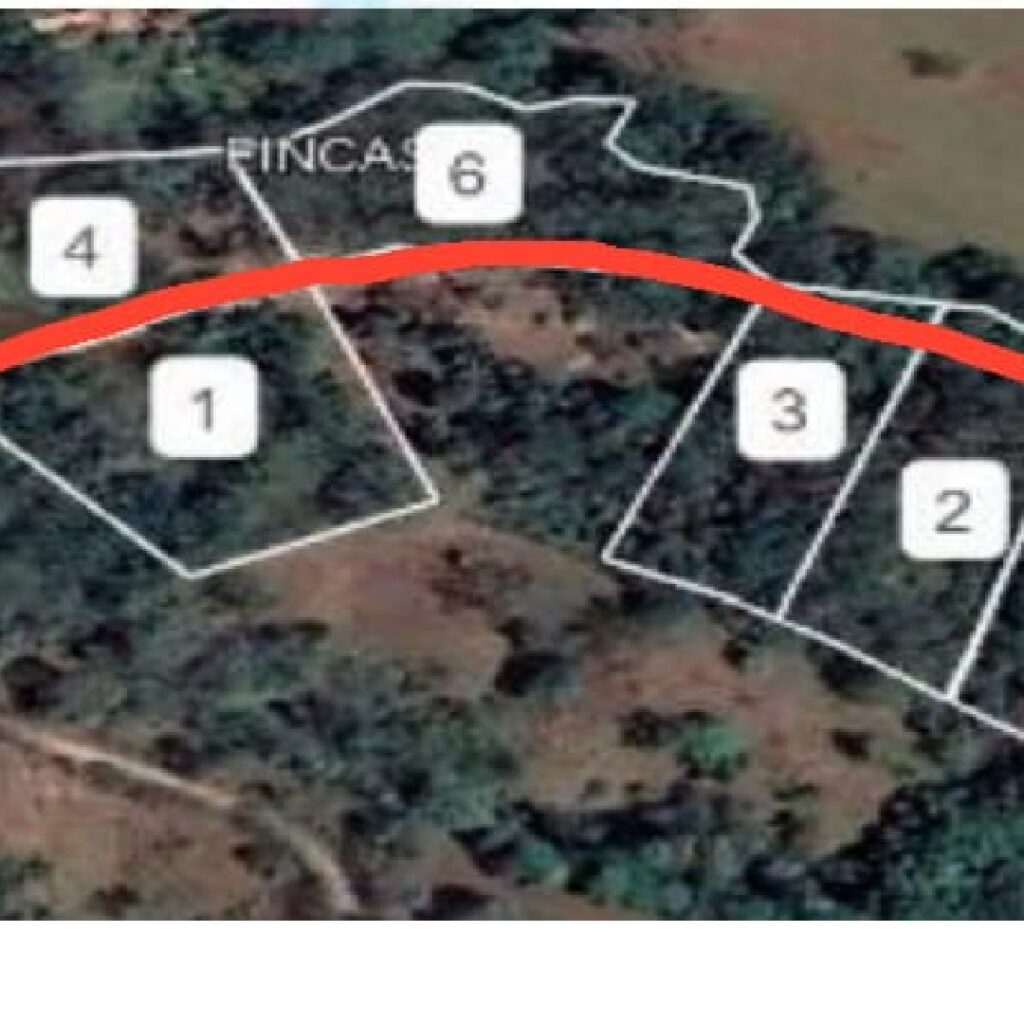
Pro tip: always cross-check the cadastral map against the physical land. Jungle fences lie.
No title? No registry? That’s not land — that’s a fairytale story.
3. Beware the Beauty of Beachfront
Beachfront dreams come with extra rules. Land within 200 meters of the high tide line falls into the Maritime Zone:
- First 50m: public land (never for sale)
- Next 150m: concession land (leased, not owned)
Foreigners can only hold 49% of a concession unless they’ve lived in Costa Rica for 5+ years or partner with a Costa Rican majority owner. Stunning sunsets. Complicated paperwork. Choose wisely.
4. No Water, No Permit, No Build
Water is everything — and it’s regulated. To build legally, you must prove legal water access, such as:
- An ASADA availability letter
- A registered private well concession
- AyA (government water utility) service
No legal water = no building permit. There are issues in our region with Water from Asada´s, so reviewing the water allowances with your local Asada or AYA is always a good idea before you buy. If in doubt ask your agent or lawyer to get letters of water allowances.
End of story. No workaround. No “later.”
5. Roads Are Not Just Roads
Access must be legal and registered. A dirt road that looks public may actually be:
- Private
- Informal
- Revocable
If your only access crosses private land without a registered easement, you’re one gate-lock away from owning a very pretty island. This is common. And expensive to fix later.
6. Don’t Skip Due Diligence — Ever
Costa Rica rewards patience and punishes shortcuts. Proper due diligence includes:
- Title and registry verification
- Zoning / land-use certificate (Uso de Suelo)
- Environmental restrictions (SETENA, forest law)
- Boundary confirmation by a licensed topographer
This is not DIY territory. Hire professionals. And when buying hillside land you will also want to have an Engineer involved in testing before you buy, lots of problems can arise that Due Diligence does not cover when you are looking for a building permit on unstable land. Hillside properties should be purchased with caution on many levels. You can´t get your money back if engineers deem the property unstable to build on, or they only allow a cabina, instead of the 10 room resort you were dreaming about.
You surf waves — not legal systems.
7. Budget for the Hidden Costs (Updated)
The purchase price is just the opening set. The cleanup wave comes after. On top of the sale price, plan for:
- Real estate commission: typically 5%
Usually paid by the seller — but this must be clearly stated in the contract. In some cases, buyers share or cover it, especially in private deals. - 1.5% property transfer tax
- Legal & notary fees (≈1–1.5%)
- Notary registration costs
- Surveyor/topographer fees if boundaries aren’t crystal clear
- Escrow service fee (optional, but highly recommended)
Translation: never assume “the seller pays everything.”
If it’s not written, it’s not real
8. Your Lawyer Matters More Than You Know
In Costa Rica, notaries are powerful. Your lawyer must:
- Be a licensed Costa Rican attorney
- Also be a registered notary public
- Represent you — not the seller
Using the seller’s lawyer is like letting a raccoon guard your mangoes. Charming. Risky. Regrettable. And if you don´t trust this, then check with friends, everyone has a story of what can go wrong when you don´t have your own lawyer, no matter how friendly everyone seems.
9. Use Escrow. Trust No One With a Paper Bag of Cash
Always use a licensed, SUGEF-registered escrow company. Escrow protects:
- Your deposit
- The timeline
- The transfer conditions
Direct bank transfers to individuals = financial cliff dive. There are tons of examples of new buyers deciding to go the route of depositing into lawyers account because they don´t want to pay the Escrow commissions, which can add up quickly, and are often a flat 6% service fee. Sometimes it pays to look for alternatives to save money, but in this situation, never take a shortcut, unless you can afford to loss the deposit if put into anything other than escrow.
This is not the moment to test karma.
10. Patience Is Part of the Price
Things move slower here — like molasses in a hammock. Expect:
- Delays
- Power outages mid-signing
- Surprise holidays (feriados)
- Documents that disappear… then reappear




This is Costa Rica. Breathe. Smile.
But document everything and keep receipts.
Dirt Road Reality Check
In Costa Rica, commissions are not regulated by law. Five percent is the norm — but norms are not guarantees, with private sales a 6% commission is common.
Clarify who pays what, when, and under what conditions before the deposit leaves your account.
No assumptions. No vibes-only deals. No regrets.
Dirt Road Wisdom
The jungle is generous.
The ocean is honest.
Real estate is where you sharpen your machete and read the map twice.
Buy land here the right way, and you’re not just investing in property — you’re buying freedom, rhythm, and a life that fits your bare feet.
Coming Up Next – Part 2
“Types of Land Foreigners Can Buy in Costa Rica — Titled, Concession, and What to Know Before You Build.”We’ll break down zoning, environmental rules, water rights, and why some land is cheaper for very good reasons.
Bring boots. And questions.