



By Katherine Zuñiga Badilla – DIRECTORA GREEN WORLD
Mango season in Santa Teresa: Juicy, sweet, and full of memories
It’s mango season, everyone!
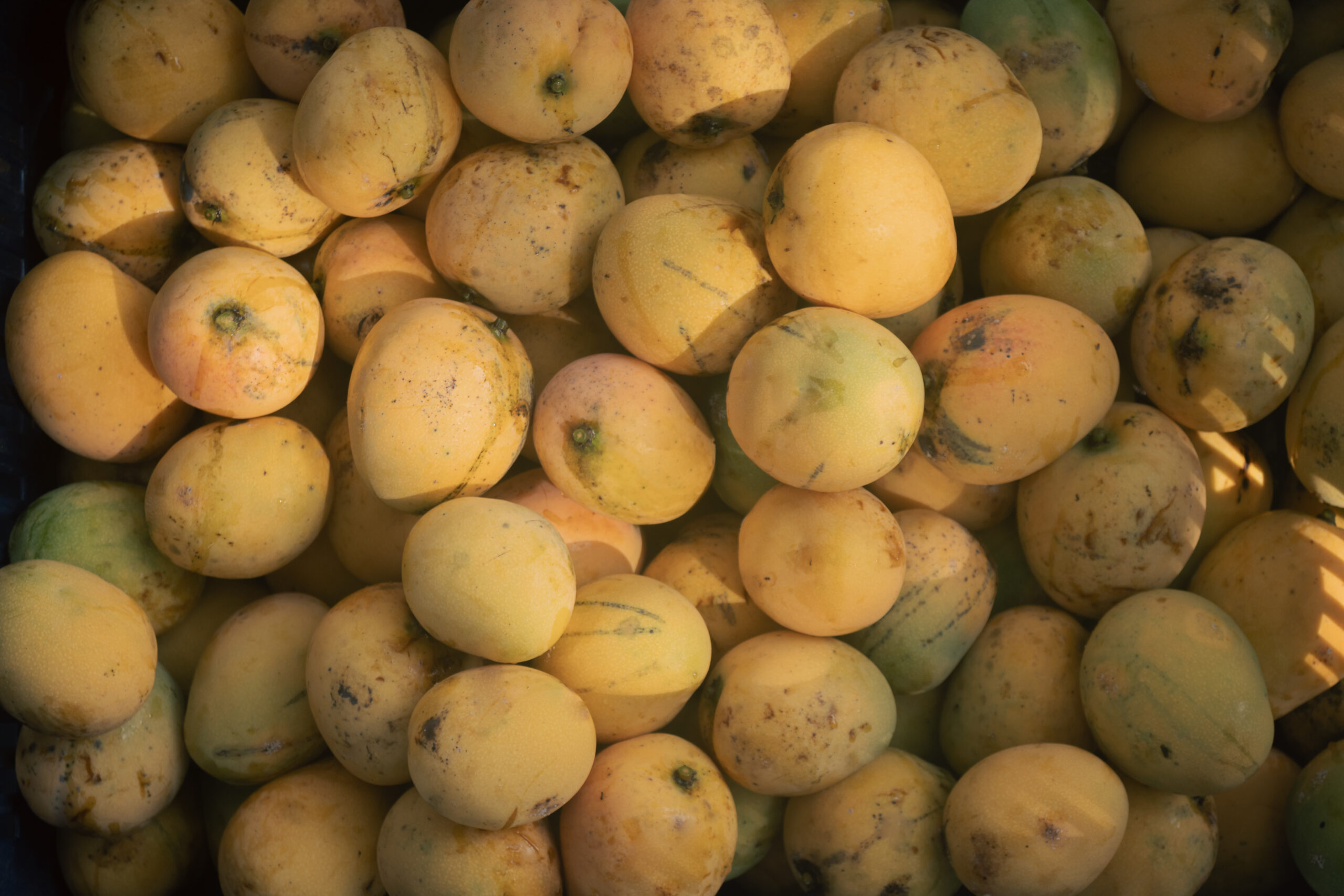
Of course, you know Costa Rica is famous for mangoes – this super sweet and delicious fruit is now in full season!
The season kicks off around March. Maybe you’ve seen mango trees starting to bloom, or maybe you’ve already enjoyed the first ripe mangoes from your yard… or your neighbor’s.
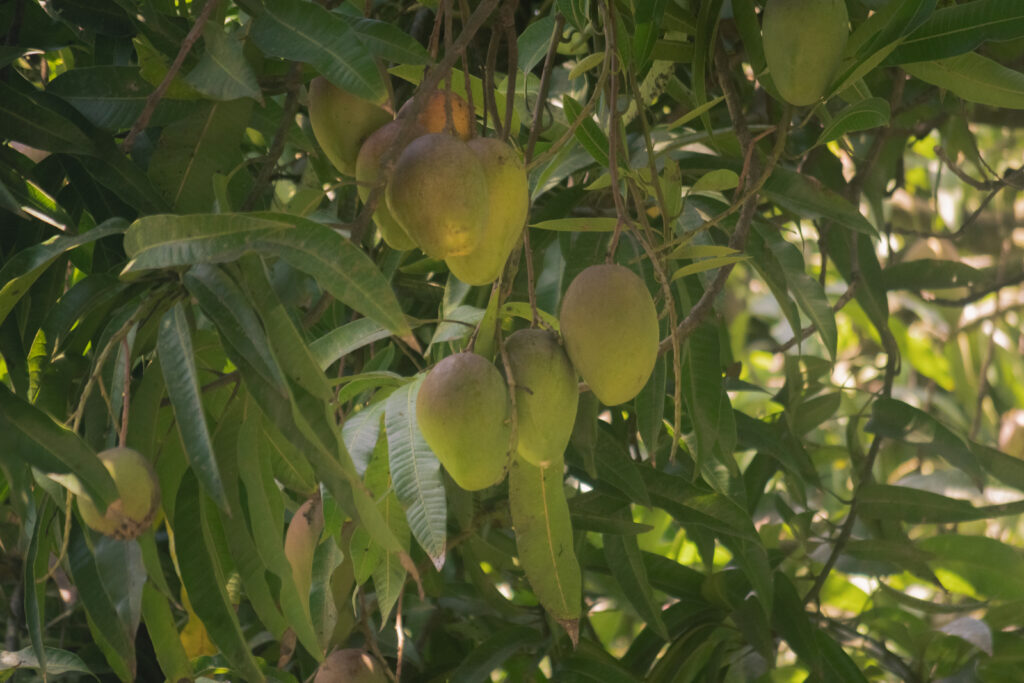
The peak season runs from February to May, although in some areas it can last a little longer. During these months, mango trees are heavy with fruit, and often the mangoes fall in large numbers without even being harvested.
Mango is one of the most popular fruits in Costa Rica, and it thrives mostly in warmer areas. The most famous regions for mango production are Alajuela (Orotina) and Puntarenas. And guess where exactly in Puntarenas? That’s right – the Nicoya Peninsula! Although it can also be found in hidden corners of San José.
From the moment you step off the ferry, you’ll see mango trees lining the roads all the way to Santa Teresa. Here on the peninsula, it’s super common to find these trees growing in people’s yards or even along the streets.
There are several varieties of mango in Costa Rica, each with its own unique characteristics that make mango such a beloved fruit. Around here, you’ll most commonly find:





– Tommy Atkins – bright red and firm, great for slicing
– Ataulfo (also called mango de miel or mango manila) – small, yellow, and incredibly sweet
– Manga – large, oval, greenish-yellow when ripe, less fibrous, super juicy, popular in gardens and roadside stands
– Criollo or Mango de Rosa – small, ultra-juicy, with a very thin skin and a strong floral fragrance. This variety is known for being fibrous (yes, a little “hairy”), but the flavor makes up for it. You won’t find it in supermarkets – it usually comes from someone’s backyard or a wild tree down the road. It’s the mango of childhood memories for many locals.
So, if you’re walking around Santa Teresa or buying from local farmers, you’ll probably find Tommy Atkins and Ataulfo in the shops – but don’t be surprised if a roadside vendor hands you a juicy manga or a fragrant criollo straight from the tree.
Mango vs. Manga – what’s the difference?
Here in Costa Rica, you’ll often hear people talk about both “mango” and “manga” – and while they’re part of the same fruit family, they’re not quite the same.
Manga is actually a specific variety of mango that’s known for being much larger, with an oval shape, thin green-yellow skin, and a super juicy, less fibrous pulp. It’s incredibly sweet and refreshing – perfect for eating fresh or making juices.
Regular “mango” refers to a bunch of different varieties, like Tommy Atkins, Ataulfo, or the small and fibrous criollo. These can range in size and texture, from smooth and buttery to tangy and full of fibers.
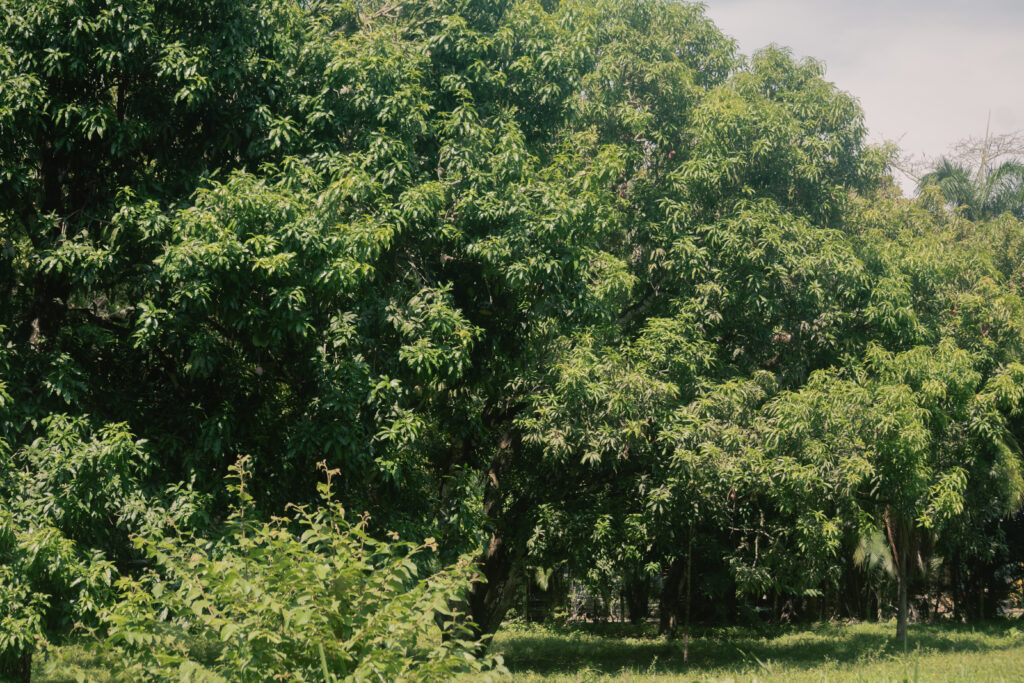
(Photo by Adriana Mendoza)
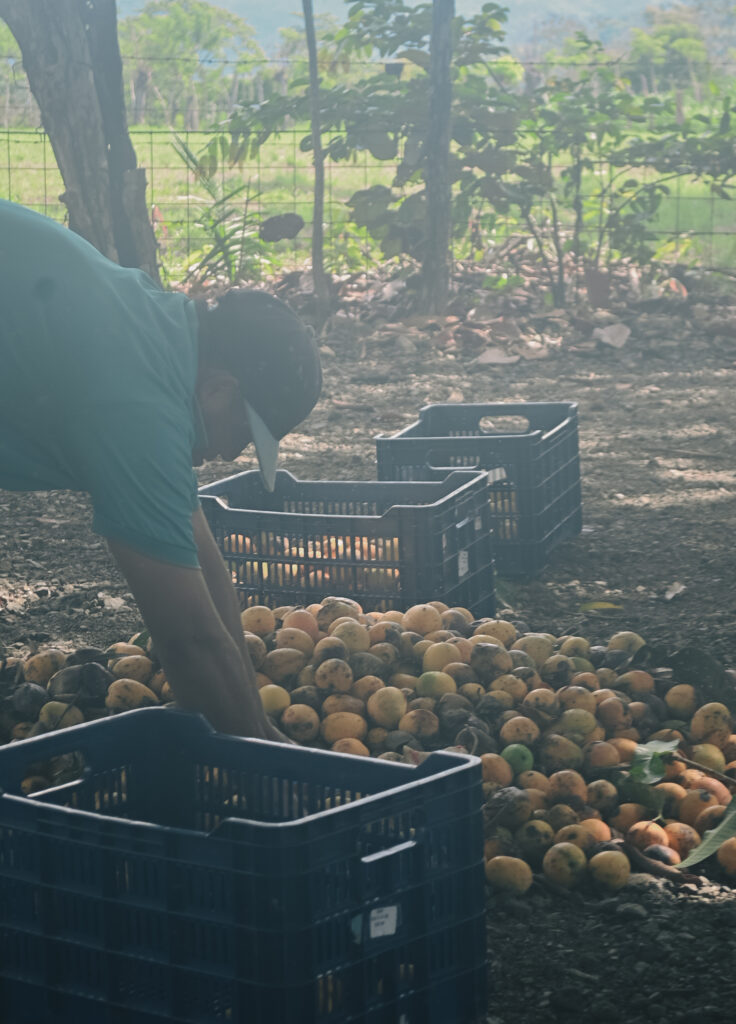
So next time you’re at a fruit stand, ask if they’ve got manga – you might end up with a giant, juicy treat that’s as big as your hand!
Personally, I absolutely love mangoes – they’re one of my all-time favorite fruits.
I grew up playing around mango trees with my cousins. They’d climb up to shake the branches while I gathered the ripe ones from the ground. My favorite way to eat them? Sliced green, with salt and lime. It’s a classic Costa Rican snack – tangy, salty, and refreshing, especially on hot days.
In this series, you’ll learn more about this iconic fruit – how to pick the perfect mango, and even some delicious recipes you can try at home. Stay tuned!
https://www.facebook.com/people/Green-World-Store/