


Where Hollywood Meets the Wild Heart of Paradise
Costa Rica has always known it was beautiful — it just took Hollywood a little longer to catch up.
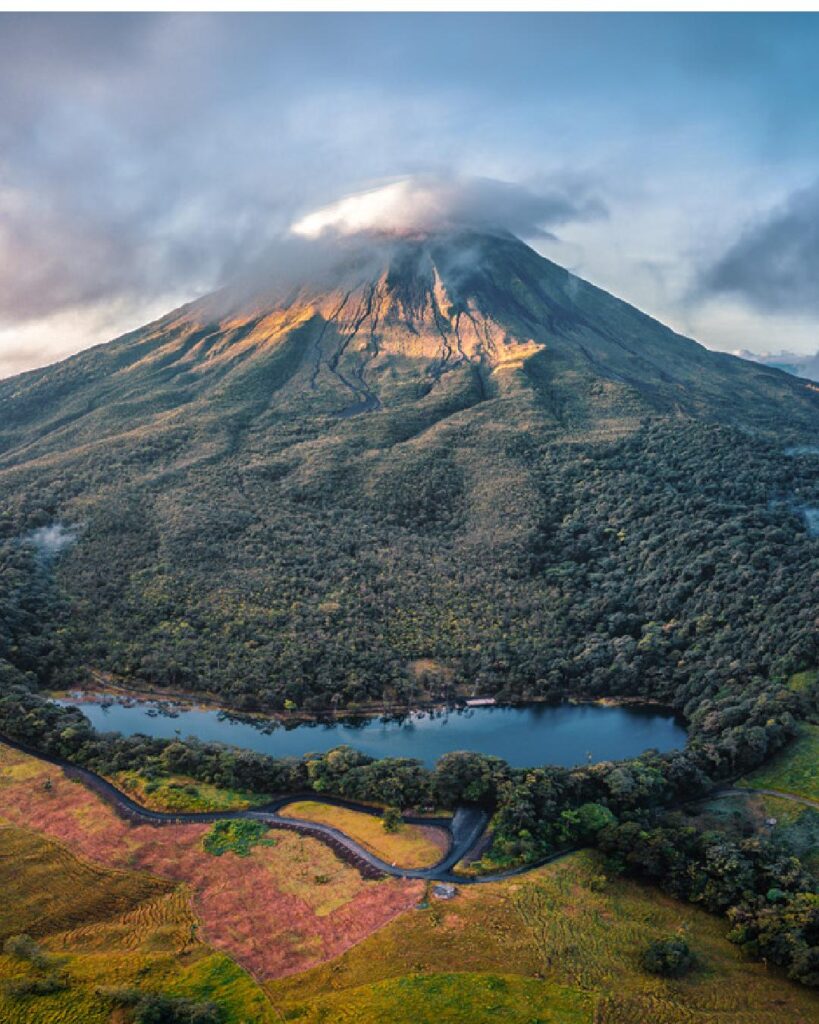
These days, producers fly in looking for volcanoes, lost-world jungles, surf-washed beaches, cloud forests wrapped in silver mist, and wildlife that looks CGI but isn’t. And in true Tico style, the country just shrugs like, “Sí, todo bien… we’ve got all of that… and it’s only a two-hour drive.”
Below is a richer, more alive look at the films and shows that have slipped through our jungles, surf towns, and river valleys — leaving behind stories, footprints, and the occasional star who fell in love with casados and never left.
A Cinematic Jungle: Classic & International Productions
1492: Conquest of Paradise (1992)
Ridley Scott set parts of his New World epic in Puntarenas and along the Nicoya Gulf.
Local elders still talk about the weeks when the shoreline filled with canoes, costumes, and nearly 170 Indigenous Costa Ricans hired as cast, bringing a rare level of authenticity to an otherwise massive Hollywood machine.
“Costa Rica gave us the world we were trying to imagine,” one crew member later recalled.
Congo (1995)
Arenal and Irazú volcanoes stood in as Africa.
The jungle fog was so thick some mornings that equipment vanished in it. Tim Curry called the rainforest “beautiful and slightly terrifying” — which, honestly, is a pretty fair review of Arenal on a rainy-season afternoon.
Spy Kids 2: Island of Lost Dreams (2002)
Robert Rodriguez brought his crew to Manuel Antonio and Lake Arenal, where the landscape did half the special effects for him. The production team joked that Costa Rica was “the easiest location scout we ever had — everywhere looked like a movie.”
The Blue Butterfly (2004)
Shot in Puerto Viejo, Limón — a Canadian film that quietly became a local favorite.
Caribbean breezes, neon butterflies, lush jungle… it’s cinematic comfort food.
After Words (2012)
Marcia Gay Harden filmed this quiet, romantic story near Portasol and Manuel Antonio National Park. Locals still remember the production because Harden was exactly what you hope an Oscar-winning actor will be: kind, patient, and stunned by the wildlife.
After Earth (2013)
Will and Jaden Smith trekked through La Fortuna and Sarapiquí while the crew fought heat, mud, and sudden downpours that turned trails into chocolate soup.
One grip famously said, “Costa Rica was trying to steal the show — and honestly, it almost did.”
Runner Runner (2013)
Justin Timberlake shot scenes in San José and Puntarenas. Between takes, people whispered that he wandered off to find the “best coffee of his life.”
Welcome to Costa Rica, Justin.




Paddington (2015)
The Monteverde Cloud Forest gave this British bear a dreamy jungle cameo. Mist, moss, and friendly chaos — it’s the perfect place for a lost bear with manners.
Suicide Squad (2016)
Cara Delevingne’s jungle scenes were filmed in Sarapiquí at Hacienda Sueño Azul.
Rumor has it she tried gallo pinto for the first time on set. Cue nationwide approval.
The Lost World: Jurassic Park (1997)
Parts of the franchise lore were shaped by Costa Rica even when scenes weren’t filmed here — especially near actors who swore the jungle “felt too real.”
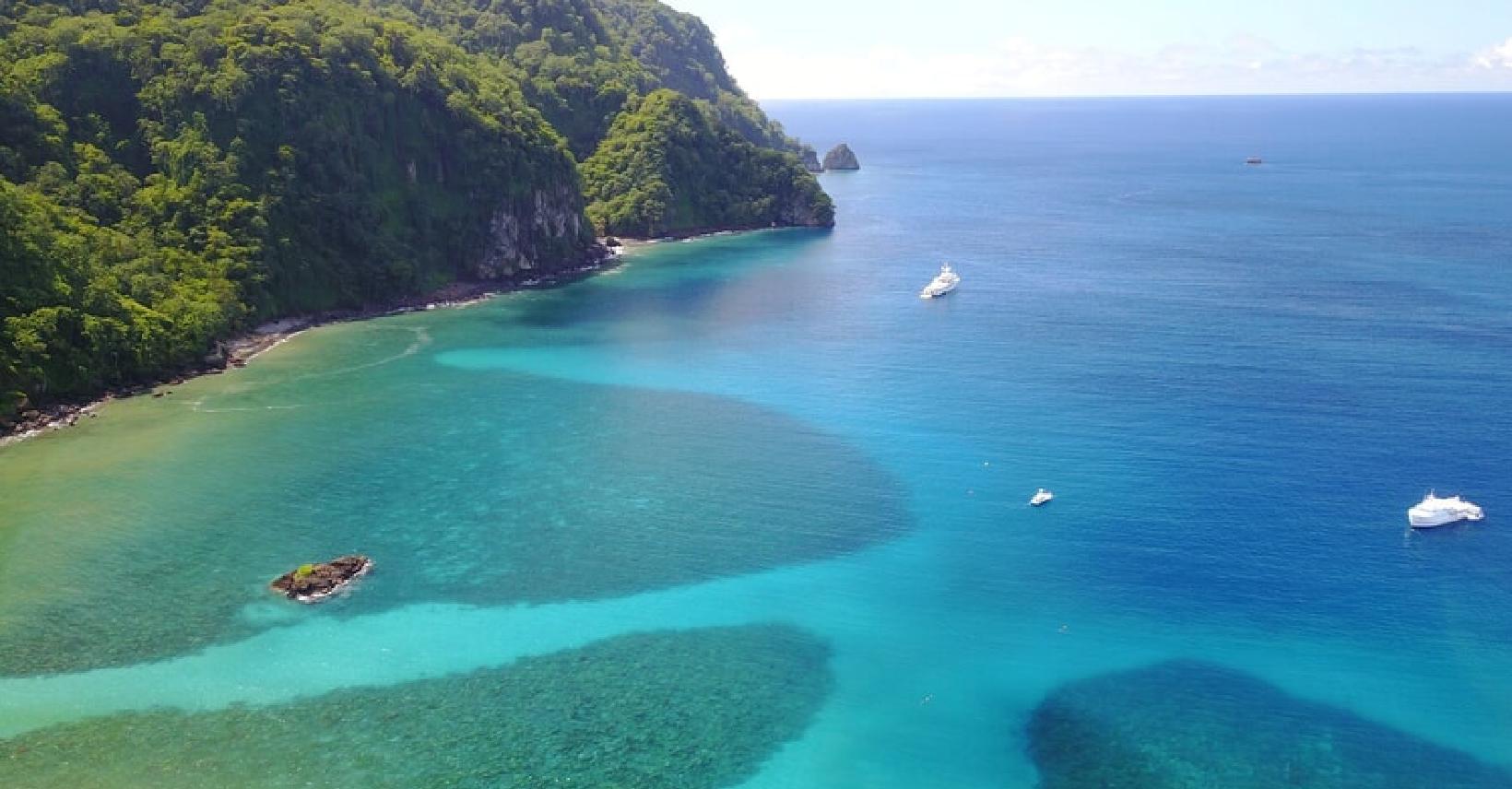
And yes, Isla del Coco footage appears in early Jurassic material. Of course it does — Cocos looks like nature’s movie set.
Series & Reality TV That Went Wild in Costa Rica
Love in the Wild (NBC, 2011)
Shot across Cahuita, Limón, La Fortuna, and San Carlos.
Producers claimed Costa Rica gave them “more drama from the wildlife than from the contestants.” We believe it.
Celebrity Bear Hunt (Netflix, 2025)
Bear Grylls dragged celebrities through Pacific coast jungles where heat, waterfalls, and unexpected wildlife made for excellent television.
The crew said Costa Rica had “a habit of stealing the camera.”
Again — not surprised.
Bachelor in Paradise, Season 10 (ABC, 2025)
This year’s season abandoned Mexico and landed at the luxury Azura Beach Resort in Guanacaste.
Ticos took great pride knowing the most dramatic roses of the franchise were handed out under Costa Rican sunsets.
Costa Rica’s Uncredited Co-Star Role in Film History
Even when Hollywood doesn’t physically film here, Costa Rica sneaks in.
Jurassic Park used Cocos Island footage.
Documentaries and smaller regional films like El Dorado (1988), La apuesta (1968), and even the classic Pura Vida (1956) deepen the country’s cinematic legacy.
Costa Rica has been a muse long before it became a destination.
Why Hollywood Keeps Coming Back
Producers usually explain it like this:
1. Visual Variety, Zero Hassle
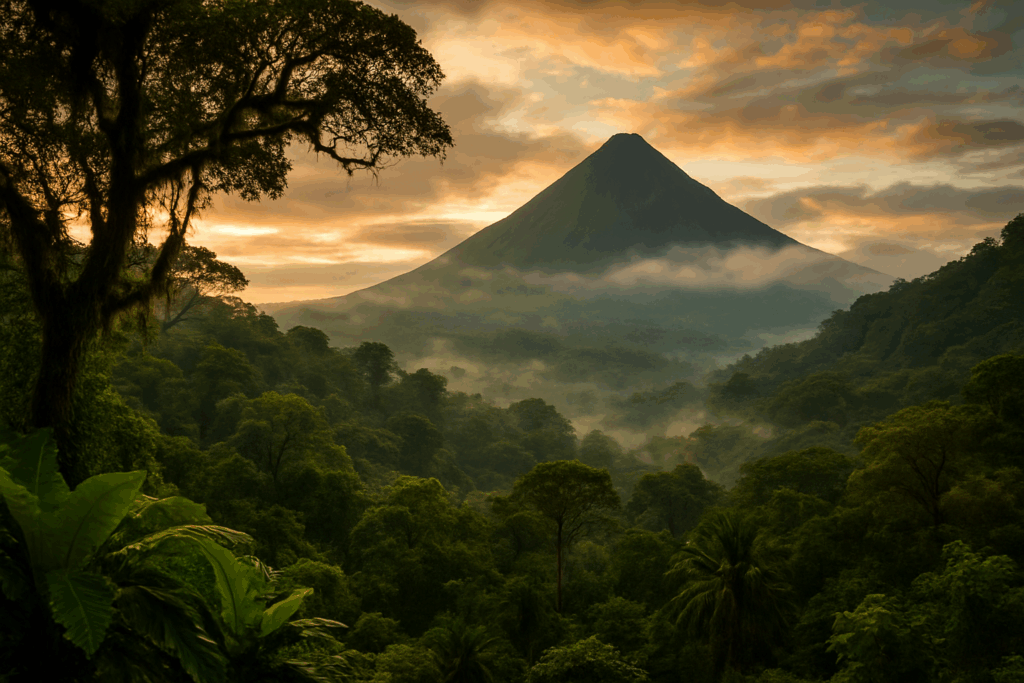
Volcano at dawn. Waterfall by lunch. Mangrove river by 2pm.
Beach that looks like a screensaver? Pick a coast — you can get there before sunset.
2. Eco-Friendly, Cost-Friendly
The country now offers simplified permits and 20–25% cash rebates on approved production expenses.
Green filmmaking is part of the brand, not an afterthought.
3. A Rising Local Workforce
Costa Rican cinematographers, production assistants, guides, grips, and drone pilots are now being hired directly on major sets.
Each shoot trains the next generation.
“When you bring a film to Costa Rica, you leave with half the crew as family,” a location scout told the Film Commission.
Costa Rica, the Silent Scene-Stealer
Hollywood arrives thinking it will shape the story.
But Costa Rica — with its thunderclaps, its moody sunsets, its spider monkeys swinging into frame — quietly takes over.
And honestly?
We don’t blame it.
This little country was made for the movies.
And every time another production lands on our soil, you can feel that familiar energy:
Pura Vida meets pure cinema.