



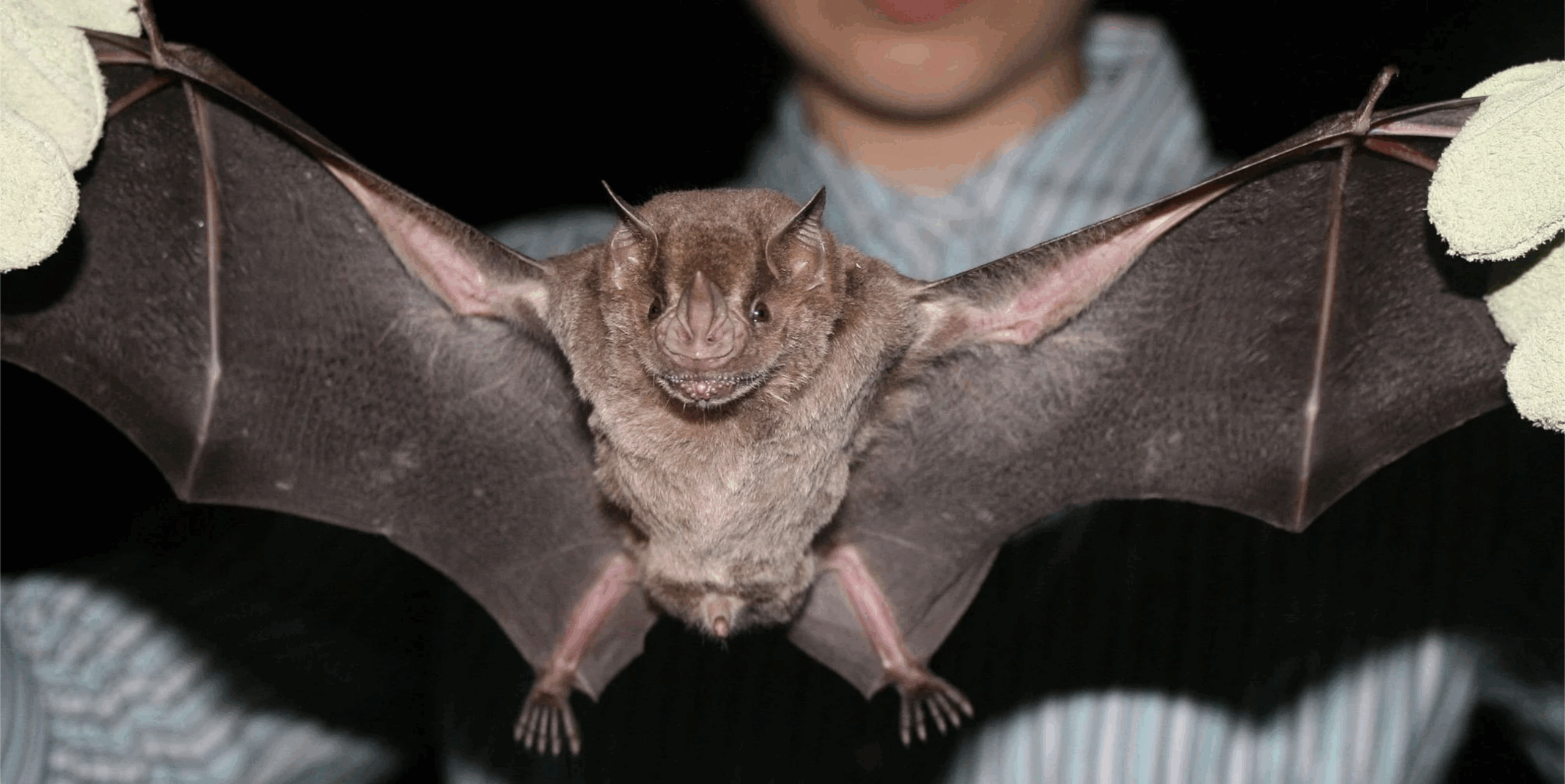






As the sun dips behind the Pacific and another Santa Teresa day sighs its golden breath, an entire world awakens overhead—one most of us never truly see. But they see us. They sense us. They’ve been part of this place far longer than we have.
Not the Hollywood kind. Not the spooky myths. We mean fruit bats—those winged wonders that feed us, heal the soil, pollinate our trees, and help keep mosquito numbers down, all while asking for almost nothing in return.
“That flicker of wings at dusk? Not a nuisance — a neighbor. A gardener. A guardian.”
Who Are the Fruit Bats?
The fruit bat (Artibeus jamaicensis) — often called the Jamaican fruit bat — is a familiar neighbor on the Nicoya Peninsula. Medium-sized with a wingspan around 40 cm, they’re mostly frugivores, feasting on bananas, figs, guavas, and papayas. Colonies can range from a few dozen to hundreds, often roosting in palm fronds, tree hollows, or rocky coastal caves.
Bat Life Cycle & Mating
Mating peaks in the dry season (Feb–Apr). After ≈4 months’ gestation, mothers birth one pup and carry it while foraging in the early weeks. Pups fly around 6–8 weeks. Fruit bats can live up to ~10 years in healthy habitats — long enough to sustain local jungle cycles.
What Do They Eat (and Why You Should Thank Them)
Each bat consumes up to half its body weight in fruit every night. They’re delightfully messy eaters — which is excellent: as they feed and travel they scatter seeds across the landscape and pollinate native trees and crops. Many local bat species also eat flying insects — mosquitos included — which helps keep itch-and-spray season milder for us.
Bat Poop = Black Gold
Bat guano is one of the richest natural fertilizers. High in nitrogen, phosphorus, and potassium, it revives depleted soil and builds healthy gardens. In the wild it rejuvenates forest floors; in your backyard it’s a superfood for plants.
Where Do Bats Like to Live?
Common roosts in our area:
- Large mature palm trees
- Rocky sea caves near Cabo Blanco
- Dense, undisturbed jungle canopy
- Abandoned structures
- Bat houses (DIY plans below)
As development clears jungle, these homes disappear — and with them, the benefits bats bring.
Can We Build Without Breaking the Balance?
Yes. Build with nature, not against it. Leave palms, plant native fruit trees, reduce bright nighttime lighting, and consider mounting a bat house. These small actions keep bats in the neighborhood — and the jungle working.
How to Build a Bat House — Back to Basics Style
Materials: untreated cedar or teak, outdoor screws, non-toxic wood glue, interior roughening (mesh or grooves).
Finished size (recommended): 60 cm tall × 40 cm wide × 10 cm deep.
Step-by-step
- Cut panels:
- Back: 60 × 40 cm
- Roof: 45 × 20 cm (slanted)
- Sides (2): 60 × 10 cm
- Front: 55 × 40 cm (shorter to leave bottom entry)
- Roughen the interior back panel (grooves or attach mesh) so bats can climb.
- Assemble: screw sides to back, add roof and front leaving a ~3 cm bottom gap as the entrance. Seal with non-toxic glue.
- Mount at least 3 meters high on a pole or building, facing southeast, in partial shade. Avoid bright lights.
Bonus tip: Plant guava, papaya, banana, fig, and wild almond nearby to create immediate feeding zones.
Plant These for Bats
Native trees that attract and feed fruit bats:
- Guava
- Papaya
- Banana
- Wild fig
- Wild almond
Back to Basics Reminder
Protecting bats is protecting the Santa Teresa you fell in love with. If you remove jungle for luxury, give back: leave some palms standing, plant native fruit trees, reduce bright lighting, or install a bat house. Real luxury is peace — and peace begins with balance.
How to Book a Bat Experience
Want to see bats in action? Local twilight and night walks near Cabo Blanco and Malpaís offer guided viewing and education. Ask locally — many hotels and guides organize seasonal tours.
Tip: Visit the Cabo Blanco park office in the morning to learn about schedule and guided options.
What You Can Do — Your Jungle Ally Checklist
- Install a bat house 🏠
- Plant native fruit trees 🌱
- Leave palm trees standing 🌴
- Avoid bright exterior lighting 💡
- Share this article with a neighbor 💬
How well do you know our local bats?
Quick check — pick one, then scroll down for the answers:
- True or False: Fruit bats only eat fruit.
- True or False: Bat guano is useful for gardens.
- True or False: Bats are dangerous and aggressive toward people.
Answers & short notes
- False — many bats also eat insects; fruit bats help scatter seeds and pollinate.
- True — guano is nutrient-rich and a long-used fertilizer.
- False — most fruit bats are non-aggressive; they avoid people and do vital ecological work.