




Golden sunsets, world-class surf breaks, tropical wildlife, and miles of unspoiled coastline have transformed Santa Teresa into one of Costa Rica’s most sought-after beach destinations. Located on the southern tip of the Nicoya Peninsula, this once-quiet fishing village has become a favorite for surfers, nature lovers, families, and travelers looking to experience the country’s famous “Pura Vida” lifestyle.
Whether you’re planning your first visit or returning for another unforgettable vacation, this guide answers the questions thousands of travelers ask before arriving. From the best time of year to visit and the easiest ways to reach Santa Teresa, to transportation, beaches, surfing, wildlife, restaurants, safety, and the top attractions, you’ll find everything you need to plan your trip in one place.
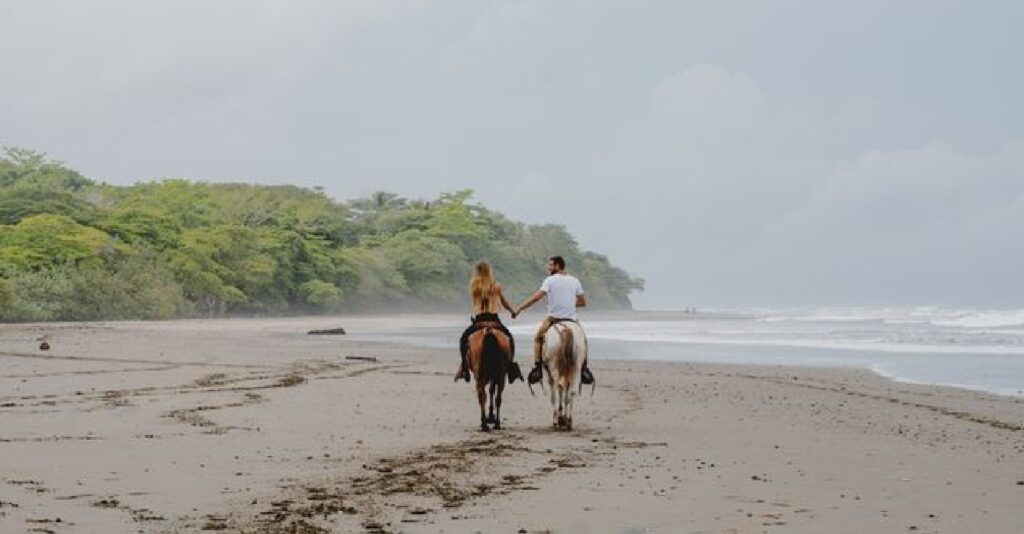
Santa Teresa offers far more than beautiful beaches. Spend your mornings surfing warm Pacific waves, explore jungle trails where monkeys and scarlet macaws roam freely, discover hidden waterfalls, enjoy unforgettable sunsets, or simply relax beneath the shade of a palm tree with the sound of the ocean nearby. Adventure seekers can enjoy ATV tours, horseback riding, ziplining, fishing, snorkeling, scuba diving, yoga, and countless opportunities to explore one of Costa Rica’s most naturally beautiful regions.
This guide has been created by the team at Santa Teresa Dirt Road, a local newspaper dedicated to sharing reliable information about Santa Teresa, Mal País, Playa Hermosa, Manzanillo, and the surrounding communities. As local residents, we regularly update this guide to provide visitors with current information, practical travel advice, and local knowledge you won’t always find in traditional travel guides.
Whether you’re visiting for a weekend, a family holiday, a surfing adventure, or a longer stay, this guide will help you discover why so many people fall in love with Santa Teresa and return year after year.
Santa Teresa is a beach town on the southern Pacific coast of Costa Rica, on the tip of the western side of the Nicoya Peninsula in Puntarenas Province. It sits at the end of the peninsula, facing the Pacific Ocean, due west, surrounded by tropical forest, long sandy beaches and some of Costa Rica’s most consistent surf.
Santa Teresa is part of a string of coastal communities that includes Playa Carmen, Mal País, Playa Hermosa and Manzanillo. Although each has its own character, they are connected along the same stretch of coastline and are often collectively described as the Santa Teresa area.
Santa Teresa feels remote, but it is accessible by domestic flight to Cóbano, ferry from Puntarenas to Paquera, rental car, private transfer, shuttle and public bus. The journey from Costa Rica’s international airports takes longer than reaching some of the country’s more developed beach destinations, but that relative isolation is also part of what gives Santa Teresa its distinctive character.
The town is known for its surfing, beaches, sunsets, tropical wildlife,100 + restaurants, wellness culture and relaxed beach lifestyle. Visitors come for very different reasons — from surfing and yoga to family vacations, nature, food and simply spending time beside the Pacific.

The best time to visit Santa Teresa depends on what you want from your trip. The dry season, generally from mid-December through April, brings the sunniest and driest weather and is the most popular time for beach vacations, mainly because it coincides with north americans and most of europes winter months when people like to escape for a few weeks to sunnier, warmer destinations.. The green season, from May through November, brings tropical rain, greener landscapes, fewer visitors and generally lower accommodation prices. Both seasons offer excellent reasons to visit.
Dry Season: December to April
For travelers looking for sunny beach days, dry roads and the least chance of rain, the dry season is the traditional high season in Santa Teresa. December through April is also when the town is busiest, with the biggest crowds and highest accommodation demand around Christmas, New Year, Easter and school holidays.
The weather is hot and the ocean stays warm, making this an excellent time for swimming, surfing, beach days and outdoor activities. Surf is available year-round, although the dry season generally brings cleaner morning conditions and more manageable waves, which can be particularly appealing to beginner surfers.
Green Season: May to November
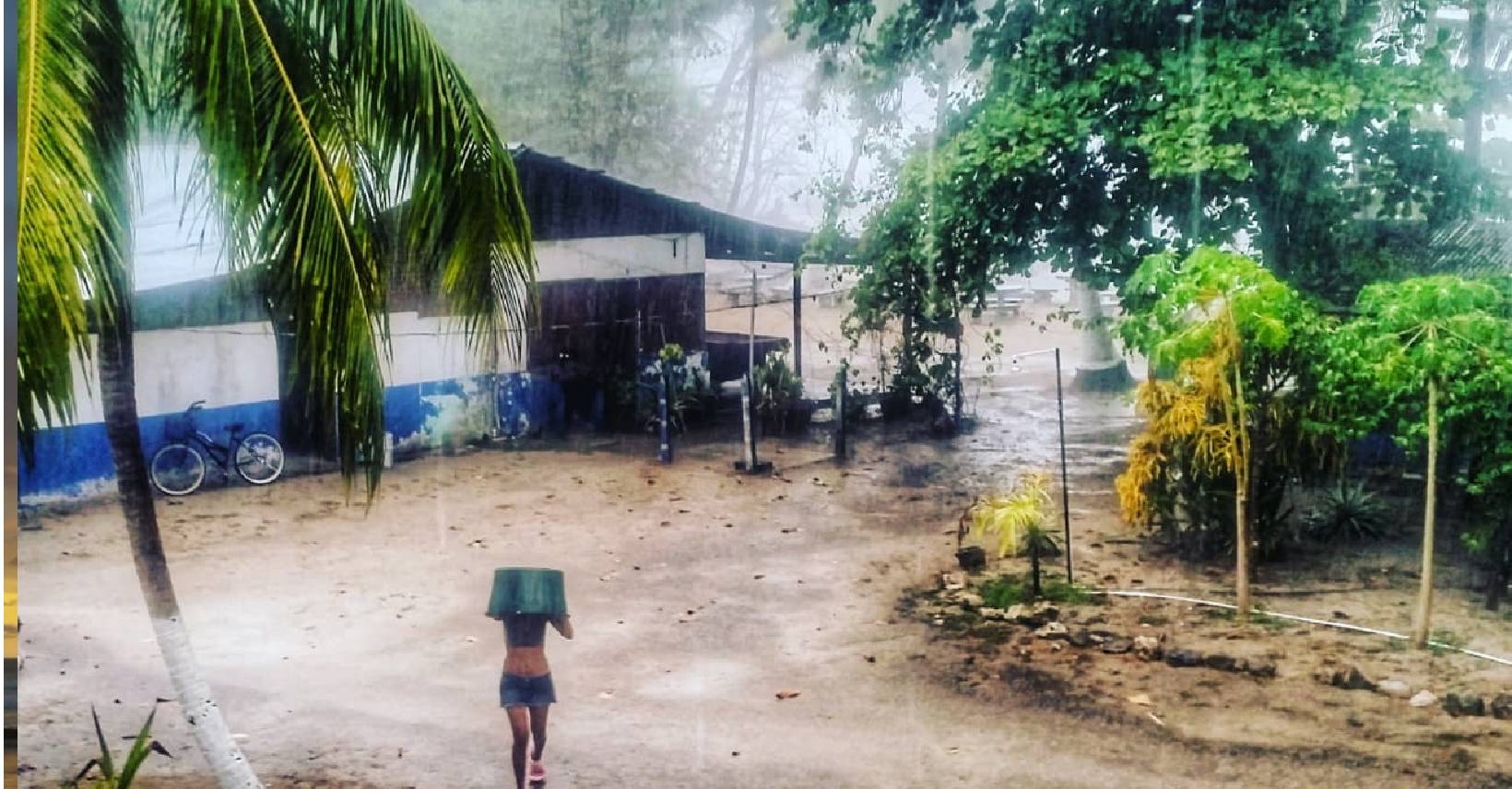
The green season is when Santa Teresa changes character. The forest becomes intensely green, the beaches are quieter, accommodation prices can be lower and the surf often becomes bigger and more powerful. Rain usually arrives in tropical bursts rather than meaning that the entire day is lost, although September and October are among the wetter months and conditions can make some roads more challenging, but most of the rainy season months still have sunny days, with early morning or late evening showers.
For experienced surfers, May through October can offer some of the year’s strongest and most consistent swells, while travelers who prefer fewer crowds may enjoy the green season, where you can walk for miles on sandy beaches, before seeing someone.
The beginning and end of the green season can be especially appealing for travelers looking for a balance between weather, crowds and price. May and June are often highlighted as a good combination of lush scenery, good surf and fewer visitors, while November brings the transition back toward the dry season. And surprisingly december doesn´t really get busy until the week before christmas.
So, When Should You Visit Santa Teresa?
Santa Teresa is a year-round destination, and surfing, wildlife, hiking, wellness, restaurants and beach life continue through both seasons.
And a Good guideline is to come December through April if sunshine and dry weather are your priority. Come May through November if you prefer fewer crowds, greener scenery, better value and, for surfers, the possibility of bigger swells. There isn’t one perfect month for everyone — the best time is the season that matches the kind of Santa Teresa experience you want.

Related Stories


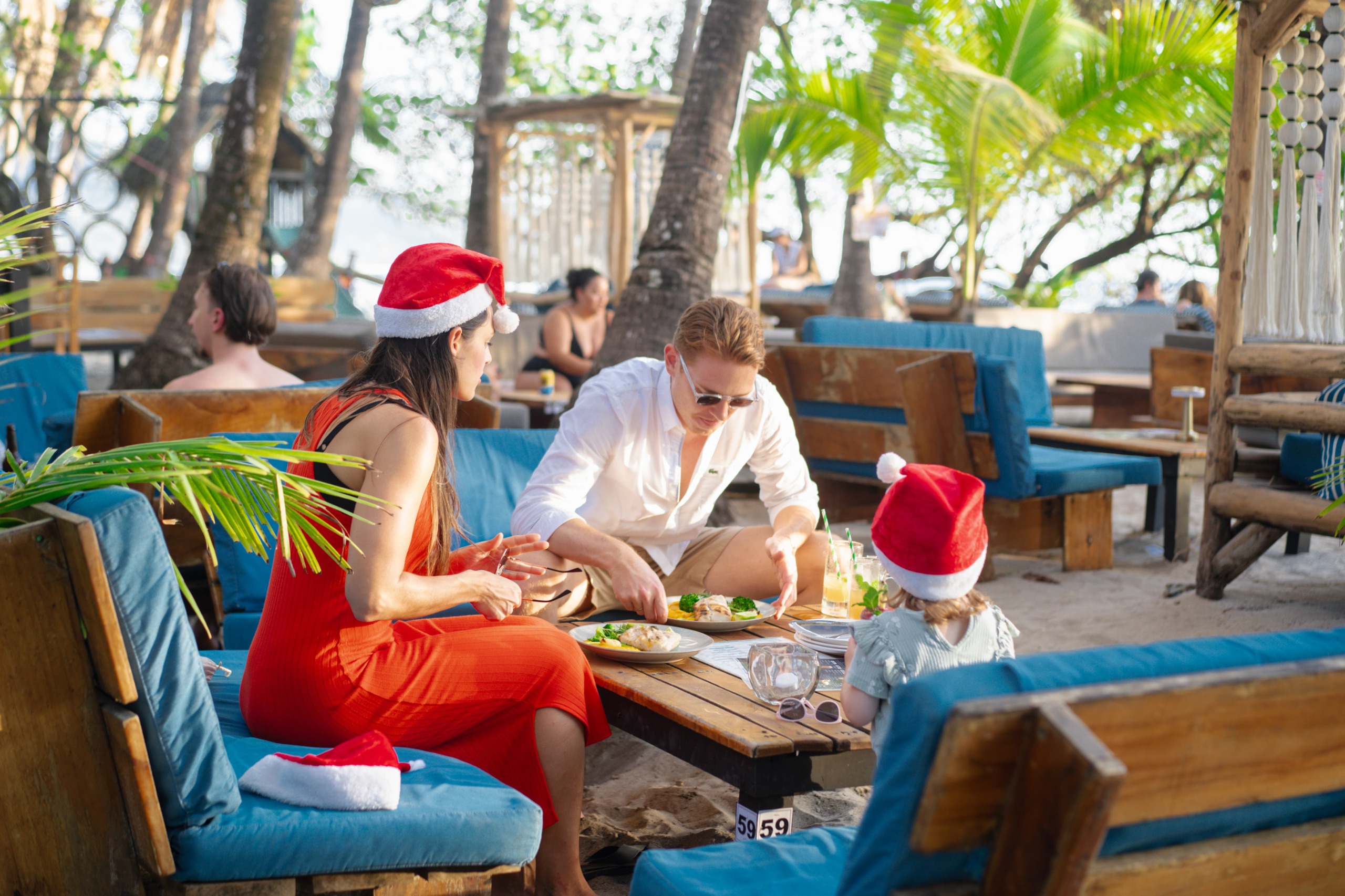
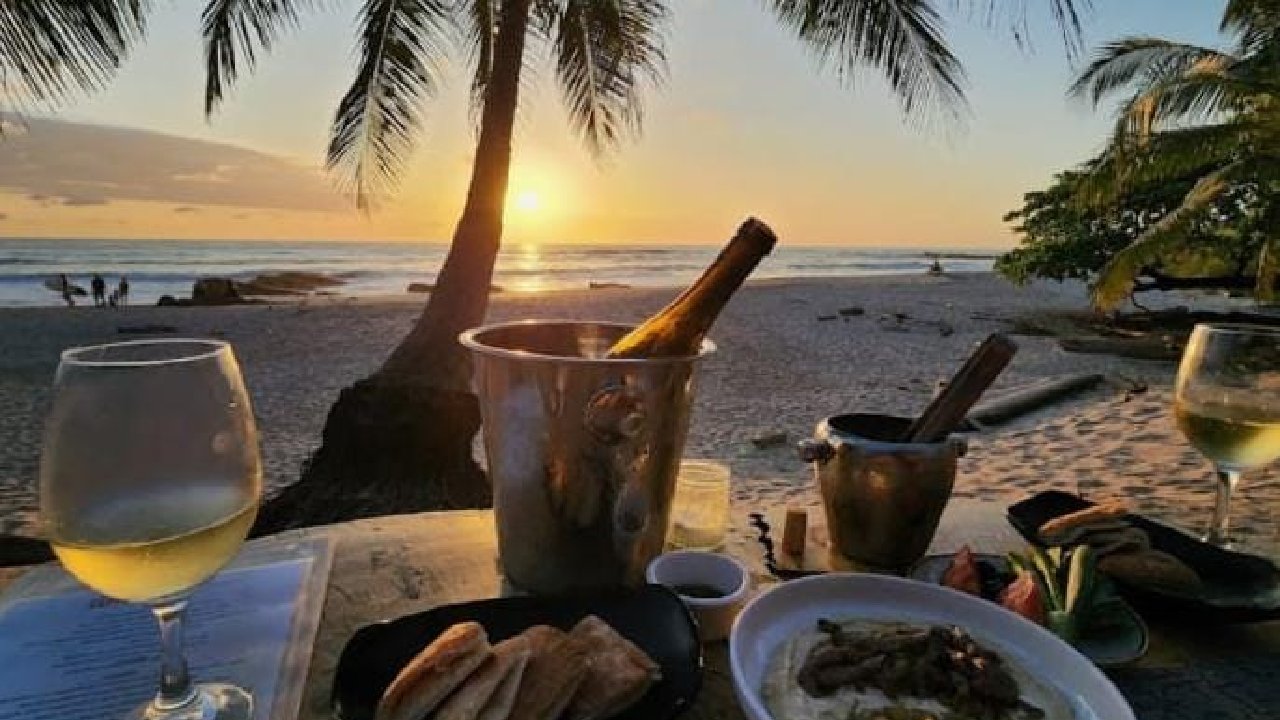
Surfing is at the heart of Santa Teresa, but there is much more to do here than ride waves. From beaches, wildlife and outdoor adventures to yoga, fitness, food, fishing and sunset watching, Santa Teresa offers activities for travelers of all ages and interests..
Surf, Swim & Enjoy the Beaches
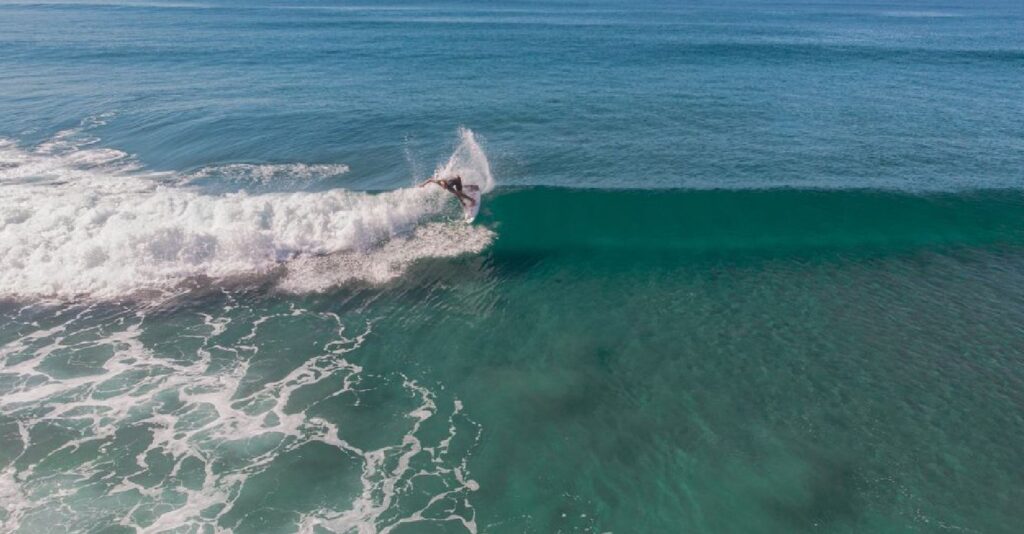
Learning to surf is one of the most popular things to do in Santa Teresa, with surf schools and board rentals available for beginners through experienced surfers. Those who prefer to stay out of the waves can enjoy long beach walks, explore the coastline and discover natural tidal pools at low tide, some of which provide calmer places to cool off and explore.
Explore Nature & Wildlife
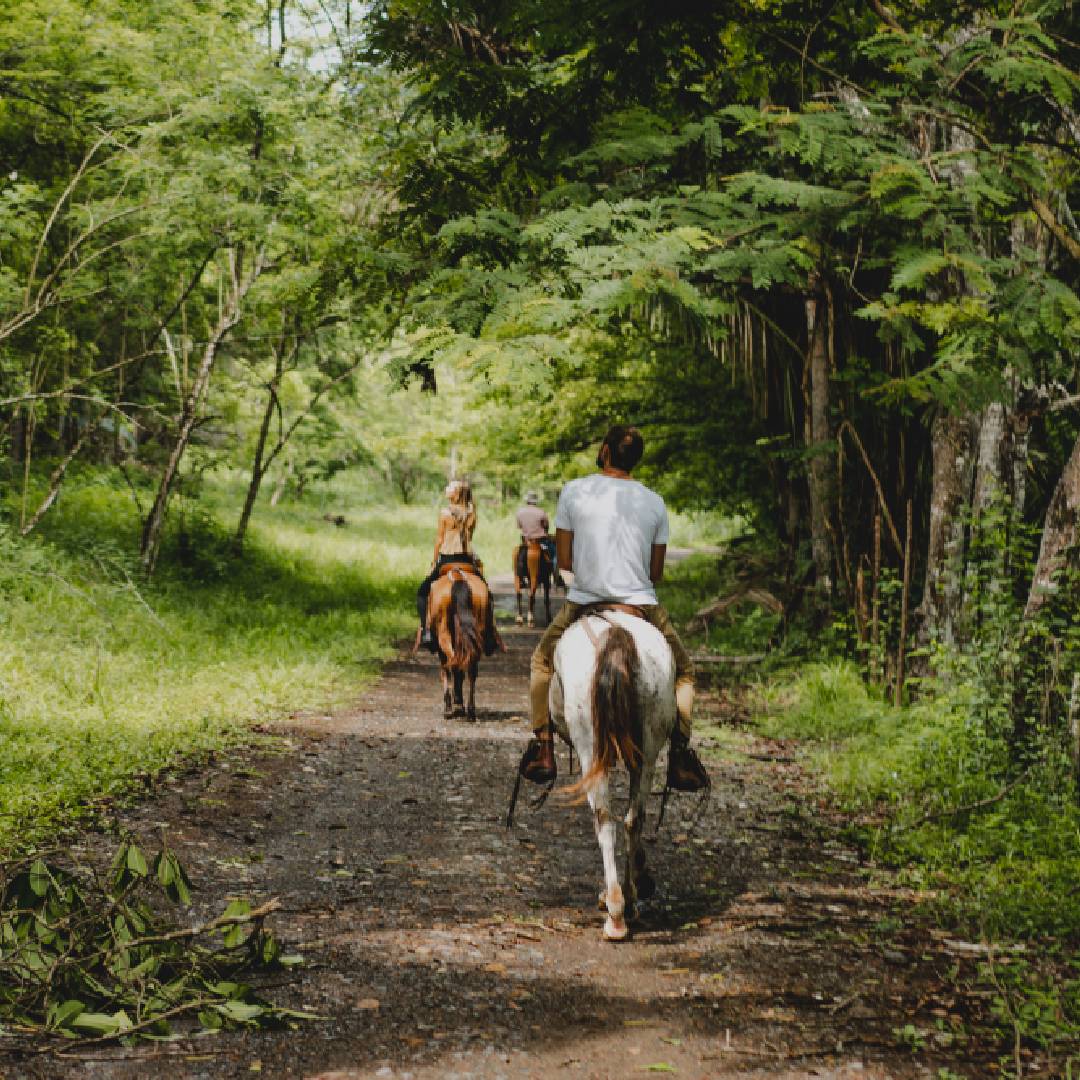
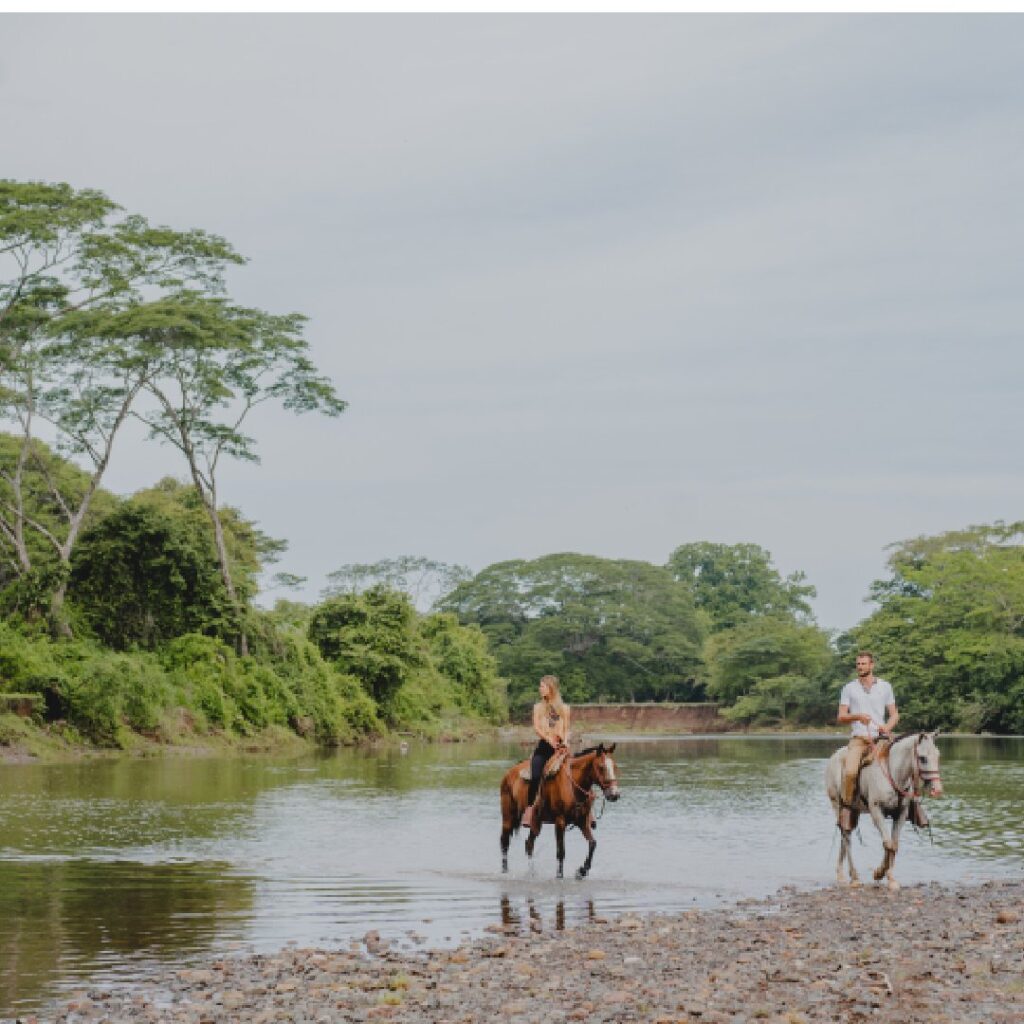
The tropical forest surrounding Santa Teresa is home to howler monkeys, white-faced capuchins, scarlet macaws, iguanas, coatis and many other species. Hiking, horseback riding and nature excursions provide opportunities to see wildlife and explore the landscape beyond the beach. Day trips to places such as Cabo Blanco Absolute Natural Reserve and Curú Wildlife Refuge offer even more opportunities to experience the natural environment of the Nicoya Peninsula.

Take an Ocean Adventure
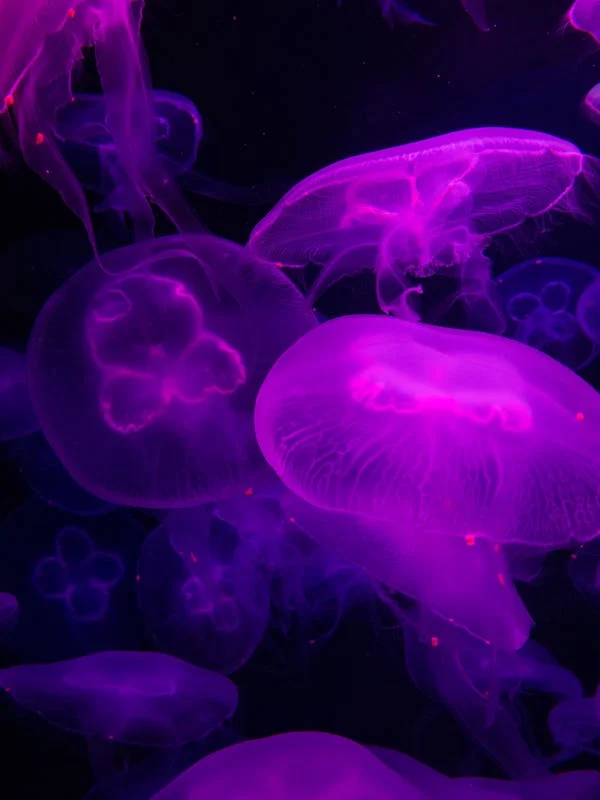
The Pacific provides plenty of ways to get out on the water. Visitors can book sport-fishing trips, snorkeling excursions, diving, boat tours, dolphin watching and seasonal whale-watching trips. The Gulf of Nicoya also offers opportunities to explore islands and coastal areas that are difficult to reach from land. And don’t forget one of our local favorite activities is a kayak tour at night to withhold the bioluminescence

Enjoy Wellness, Fitness & the Local Lifestyle
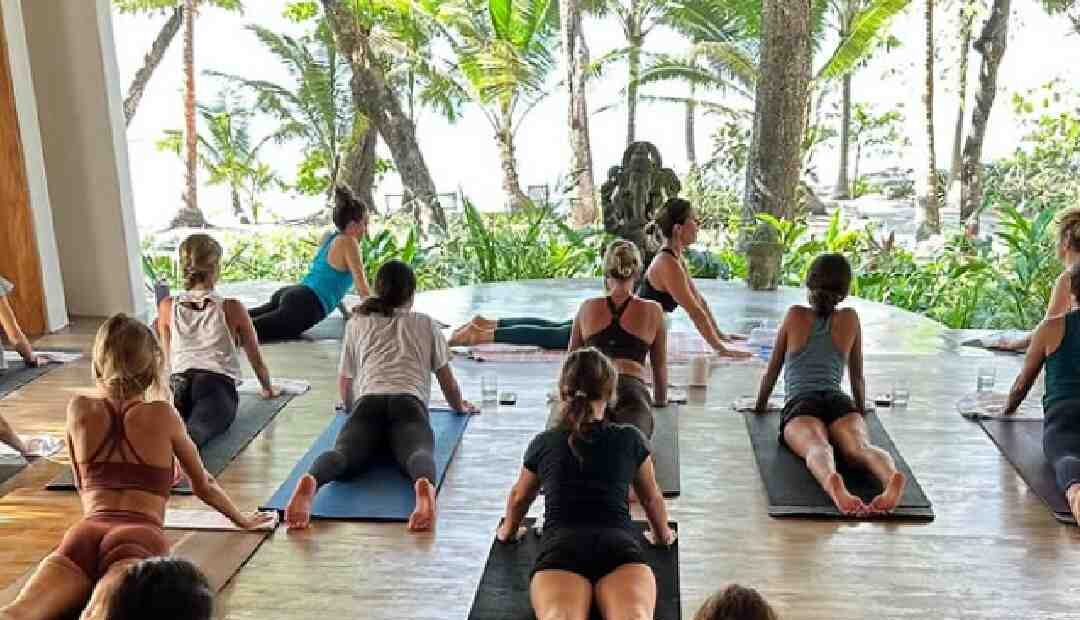
Santa Teresa has developed a strong yoga, fitness and wellness culture, with classes and studios offering everything from yoga and Pilates to strength training and other fitness activities. Add healthy cafés, restaurants, spas and wellness experiences, and it’s easy to build an active vacation around your time at the beach.

Explore, Eat & Watch the Sunset
You can spend an afternoon exploring Mal País, Playa Hermosa and Manzanillo, browse local shops and galleries, or simply settle into one of Santa Teresa’s 100+ restaurants and cafés. And at the end of the day, the Pacific provides one of the area’s most reliable attractions: a spectacular sunset over the ocean.

Whether you’re looking for surfing, family activities, wildlife, adventure, wellness, food or simply time on the beach, Santa Teresa makes it possible to build your days around whatever kind of Costa Rican vacation you want.
Related Stories


The beaches around Santa Teresa stretch along several kilometers of Pacific coastline, with each area offering a different experience. Some are known for surfing, others for swimming, tidal pools, fishing, walking or simply finding a quieter place to enjoy the ocean and sunset.
Santa Teresa Beach
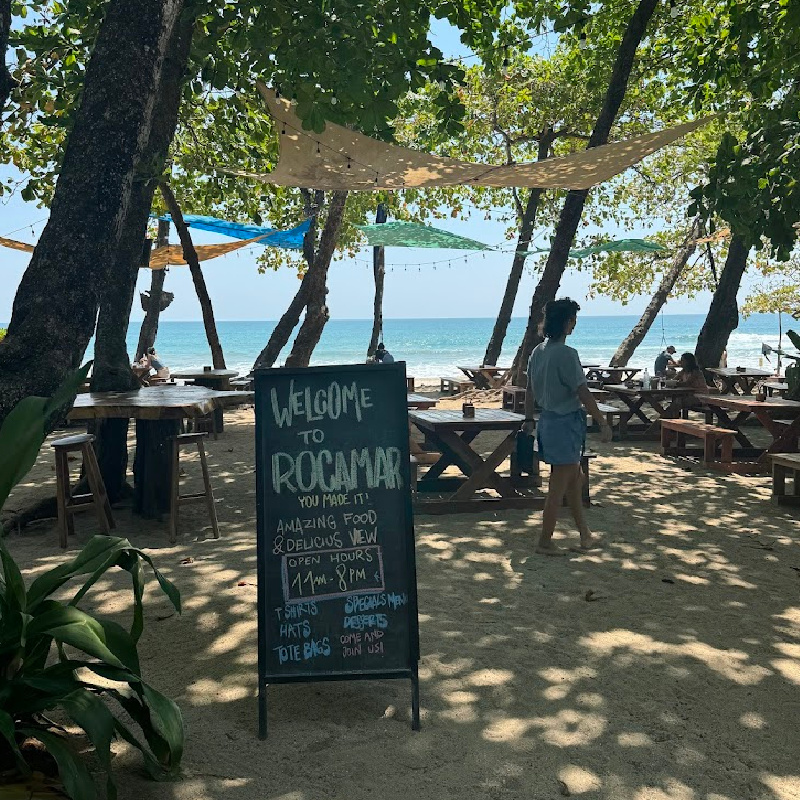
The main Santa Teresa beach is the heart of the local surf scene, with consistent waves, long stretches of sand and spectacular Pacific sunsets. It is also convenient for visitors staying near the center of town, with restaurants, cafés, shops and surf schools close by. You will also find beachfront restaurants along this busy stretch of beach to enjoy. Santa teresa beaches also have a very effective LifeGuard team at hand, daily from 8am until sunset, keeping our waters and our visitors safe.

Playa Carmen
At the southern end of Santa Teresa, Playa Carmen sits where Santa Teresa meets Mal País. it is also where the main road enters our side of the Pacific, turning left you enter MalPais, turning right you are minutes away from Santa Teresa´s busy restaurant scene. Playa Carmen offer convenience to banks, grocery stores, souvenir stores making it a great place to rent if you are planning on visiting the area on foot.

Playa Hermosa
North of Santa Teresa, Playa Hermosa offers a wider, more open stretch of beach because this beach is half moon shaped, so more beach and gentler waters. It is a very popular beach for beginner surfers, and this is the beach where Montezuma tour companies bring their students to learn to surf. It can be a very busy beach popular with families as well, because of their calmer waters.


Mal País
South of Playa Carmen, Mal País has a different character, with a more rugged coastline, rocky sections, fishing activity and natural tidal pools. The rocky shoreline creates interesting places to explore at low tide, while the western-facing coast provides beautiful sunset views. This beach is a must see when visiting this area for the large Macaws that have habitat in the area.

Manzanillo
Further south, Manzanillo offers a quieter and more natural beach experience. Surrounded by tropical vegetation and less developed than central Santa Teresa, it is a good choice for travelers who want to explore beyond the main tourist area and enjoy a slower pace.

What is very special about this area is the proximity of these 5 unique beaches, and all villages along a very short distance of 12 km. This makes this region of Costa Rica a very unique place to visit. The best beach for you will depend on what you want to do. Surfers have several breaks to choose from, families can look for calmer areas and low-tide pools, walkers can explore kilometers of coastline, and sunset lovers can settle almost anywhere along the western-facing beaches and enjoy that special moment of Pura Vida.

Related Stories
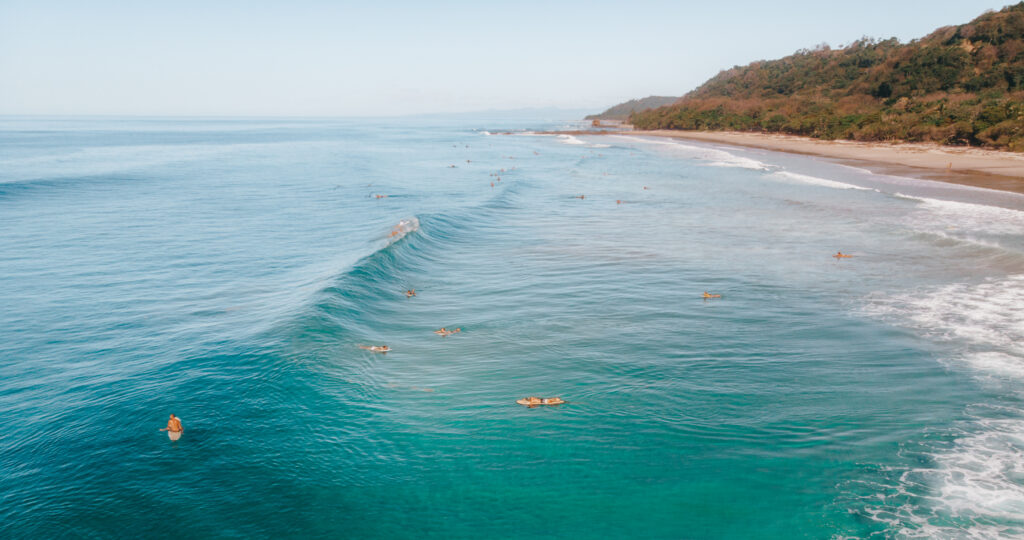
Santa Teresa is one of Costa Rica’s best-known surfing destinations, with surf breaks for different experience levels and surf schools offering lessons for first-time surfers as well as intermediate and advanced riders. For beginners, Playa Carmen and Playa Hermosa is particularly suited to learning, with sandy-bottom waves and surf schools that choose the beach and conditions according to the student’s ability and the day’s ocean conditions.

Surf schools in Santa Teresa offer private and group surf lessons, board rentals and multi-day surf programs, with instructors teaching everything from ocean safety and paddling to standing up and catching waves. Beginners don’t need previous surfing experience, and lessons are adapted to the conditions and the surfer’s level.
For more experienced surfers, Santa Teresa has a variety of beach breaks and more powerful waves, which is part of what has made the area a destination for surfers from around the world. The important point for visitors is that Santa Teresa isn’t only a destination for experienced surfers — there are specific beaches and conditions where beginners can start safely with proper instruction
▼ Pull-Down Tab: Complete Surf Guide to Santa Teresa

Related Stories
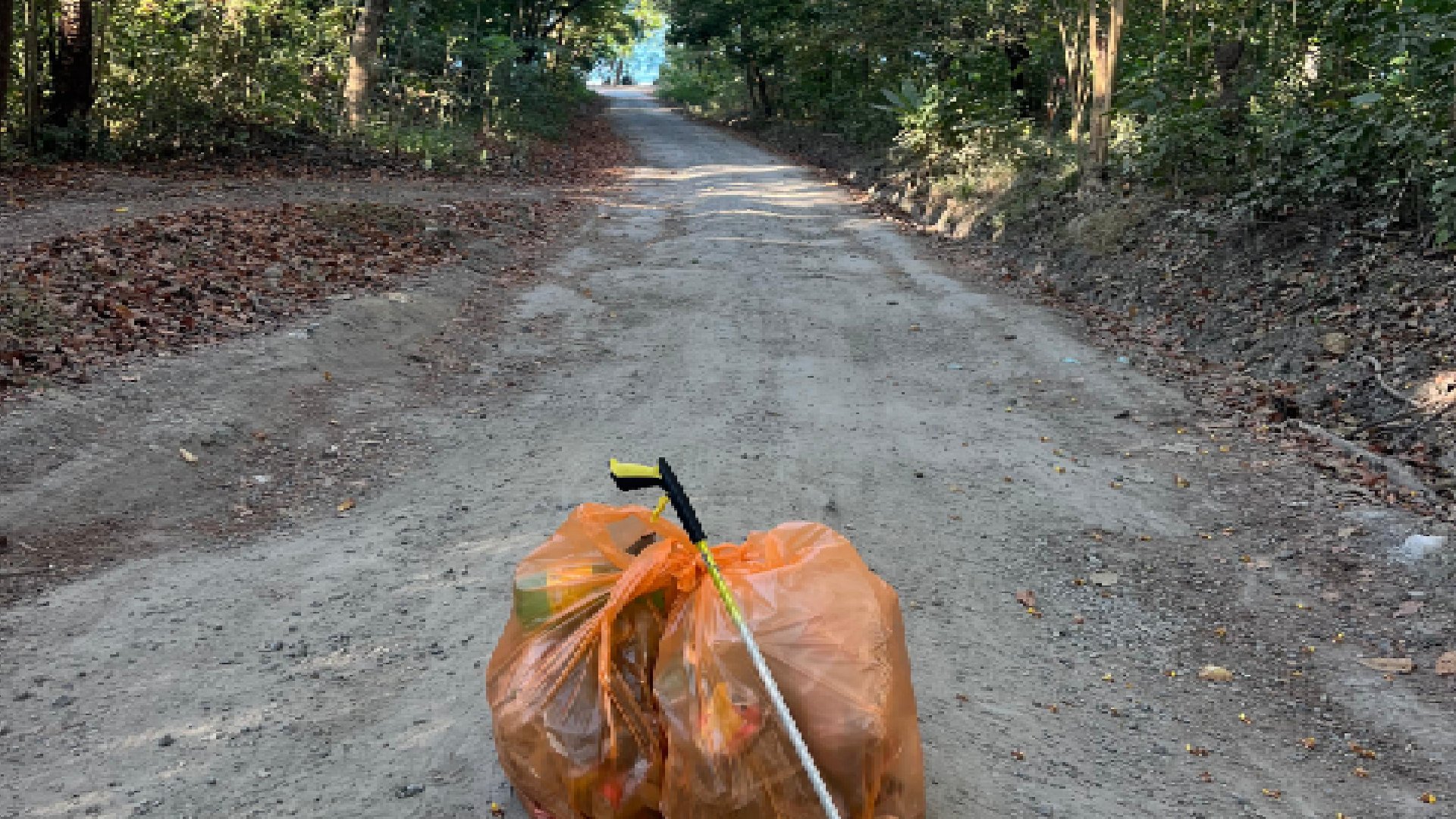
A Surfer, a Trash Grabber, and 18,000 Steps of Gratitude
Santa Teresa is surrounded by tropical forest, protected coastline and marine ecosystems, so wildlife is part of the experience both in town and in the surrounding natural areas. Howler monkeys and white-faced capuchins are among the animals commonly seen, along with coatis, deer, armadillos, iguanas and a wide variety of tropical birds. Curú Wildlife Refuge and Cabo Blanco are two of the best places near Santa Teresa for dedicated wildlife watching and hiking.
At Curú Wildlife Refuge, trails pass through several different habitats, and visitors may see monkeys, white-tailed deer, coatis, armadillos, scarlet macaws and many other birds. Cabo Blanco Absolute Natural Reserve, at the southern end of the Nicoya Peninsula, protects tropical dry forest and coastline and is known for its monkeys, coatis, deer, birds and other wildlife.
Wildlife encounters are also possible around Santa Teresa itself. Monkeys and tropical birds can often be seen in the trees, while the Pacific waters bring opportunities to see dolphins, rays and, seasonally, migrating humpback whales. For the best chance of seeing animals on a hike, early morning is generally the best time to be on the trails.


Related Stories


Getting around Santa Teresa is relatively easy, but the best option depends on where you are staying and how much of the area you want to explore. Walking works well around the central parts of town, while taxis, electric bikes, ATVs, motorcycles and rental cars give visitors more freedom to travel between Santa Teresa, Playa Carmen, Mal País, Playa Hermosa and Manzanillo.
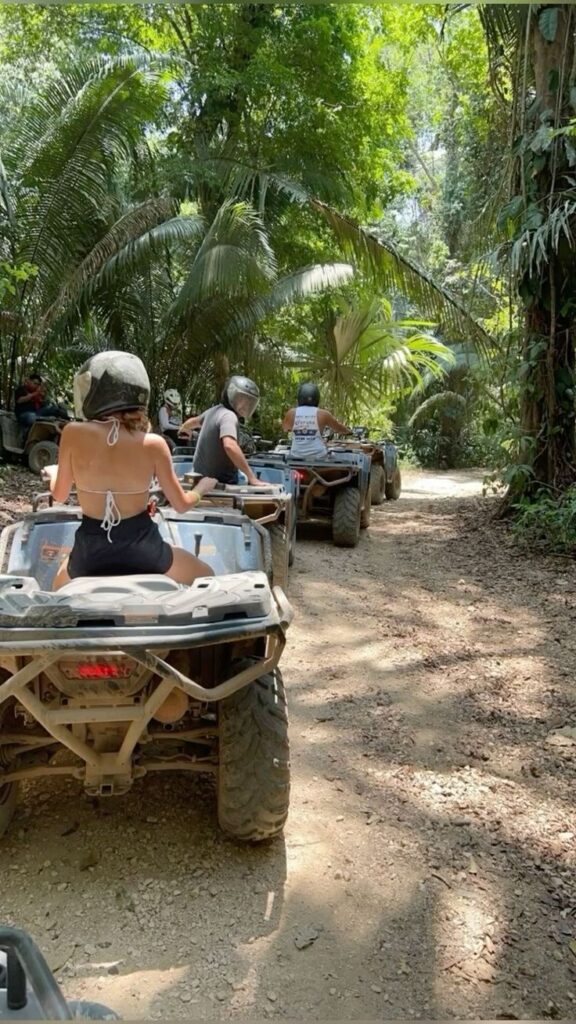
ATVs are one of the most popular ways to get around Santa Teresa, particularly for visitors staying farther from the main road or wanting to explore beyond the town. We have many local companies that rent ATVs and motorcycles by the day or longer, and some offer delivery and pickup at your accommodation. Check in with your host, they usually will have one that services their business. Don´t forget we have side by sides too, which offer a great option for more than 2 people traveling together.
Electric bikes are another increasingly popular option for getting around town. They are particularly practical for shorter trips between the beach, restaurants, shops and businesses, although Santa Teresa’s hills and unpaved side roads can make an ATV or vehicle a better choice for some locations.

Taxis are readily used for short trips, while rental cars and motorcycles provide another option for exploring farther afield. A local bus also connects communities along the peninsula and offers an inexpensive alternative to private transportation. For many visitors staying near the center, however, a combination of walking, an electric bike and occasional taxis may be all they need. You will also find a good variety of taxis offering full day rentals for those day trips you wish to take.
▼ Pull-Down Tab: Complete Local Transportation Guide
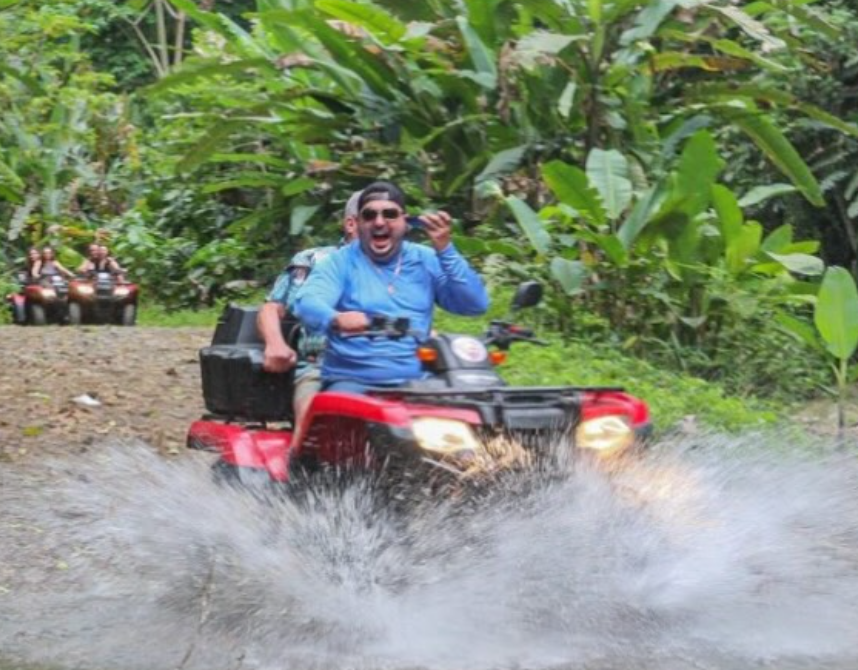
Photo by Vroom8 (via Instagram)
Yes. Santa Teresa is considered a safe destination for tourists and is one of the more peaceful places to visit in Central America. Thousands of visitors come here each year to surf, enjoy the beaches, explore the peninsula and experience the relaxed lifestyle, and most leave with nothing but good memories. As Santa Teresa has grown in popularity, however, crime has increased along with the number of people living and visiting here. The best advice is not to be fearful, but to use the same common-sense precautions you would use anywhere else.





Travelers sometimes forget their normal habits when they are on vacation. You might not leave your phone on a restaurant table unattended at home, leave a bag visible in your car, or walk alone down an empty street late at night in your own town — and there is no reason to do those things in Santa Teresa. Keep valuables secure, lock your accommodation and vehicle, don’t leave belongings unattended on the beach, and stay aware of your surroundings. These are ordinary precautions for any popular tourist destination.

Women should use the same judgment they would use at home, particularly at night. Walking alone through an isolated area or along an empty road is not a good idea anywhere in the world, and Santa Teresa is no different. If you are heading out at night, travel with friends, take a taxi when appropriate and stick to well-used areas. The goal is not to be afraid of Santa Teresa — it is simply to avoid putting yourself into situations you would consider unwise anywhere else.
The ocean deserves its own respect. Santa Teresa’s waves and currents are part of what makes it such a spectacular surf destination, but ocean conditions can change quickly. Ask local surfers or instructors about conditions before swimming or surfing, pay attention to warnings and never underestimate a strong current simply because the beach looks calm.
Santa Teresa remains a welcoming community where visitors can enjoy a tremendous amount of freedom. Use the same awareness you would use at home, respect the ocean and your surroundings, and enjoy the town for what it is: a beautiful, laid-back beach community where people come from around the world to live, surf, relax and experience the pura vida

Related Stories

Santa Teresa has accommodation for almost every type of traveler, from beachfront hotels and boutique resorts to private villas, surf camps, hostels and budget-friendly rooms. The best place to stay depends largely on the experience you want, because the communities along this stretch of coast each have their own character.
Santa Teresa and Playa Carmen are the most convenient areas for visitors who want restaurants, cafés, shops, surf schools and nightlife within easy reach. Staying in these central areas also makes it easier to walk or use a bicycle or ATV rather than relying on transportation for every outing.
For a quieter stay, Playa Hermosa offers a more relaxed setting north of Santa Teresa, while Mal País and Manzanillo are good choices for travelers looking for a less developed, more residential atmosphere. These areas are still close enough to Santa Teresa to visit its restaurants and services, but offer a different experience from the busier center.
Accommodation ranges from simple rooms and hostels for budget travelers to luxury hotels, private vacation rentals and villas with pools and ocean views. Families may prefer properties with kitchens and more space, while surfers often choose accommodation close to the beach and surf breaks.
The dry season from December through April is the busiest travel period, particularly around Christmas, New Year’s and Easter. If you are visiting during these peak periods, booking accommodation in advance gives you a much better choice of location and price
▼ Pull-Down Tab: Complete Accommodation Guide to Santa Teresa

Related Stories
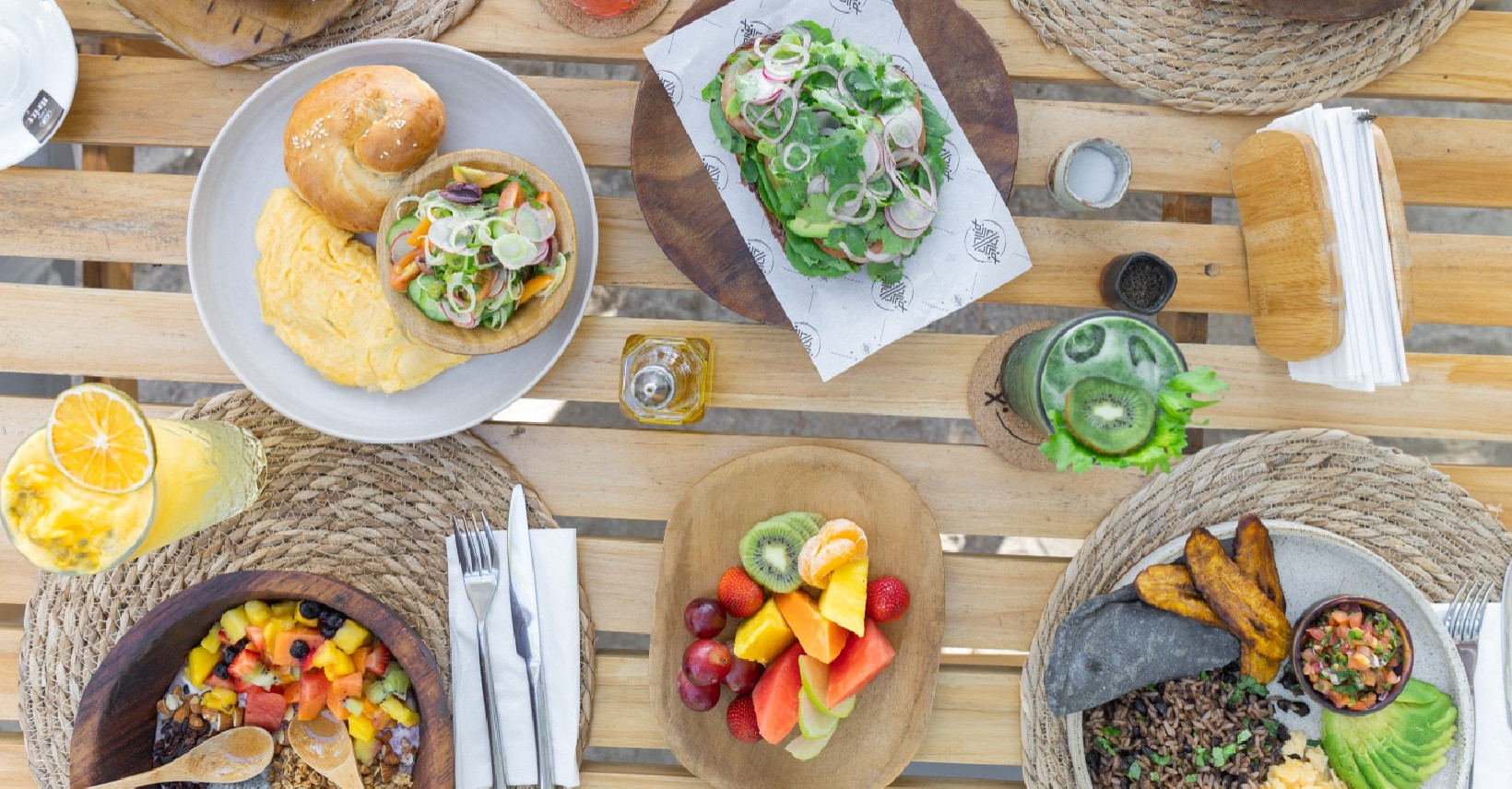
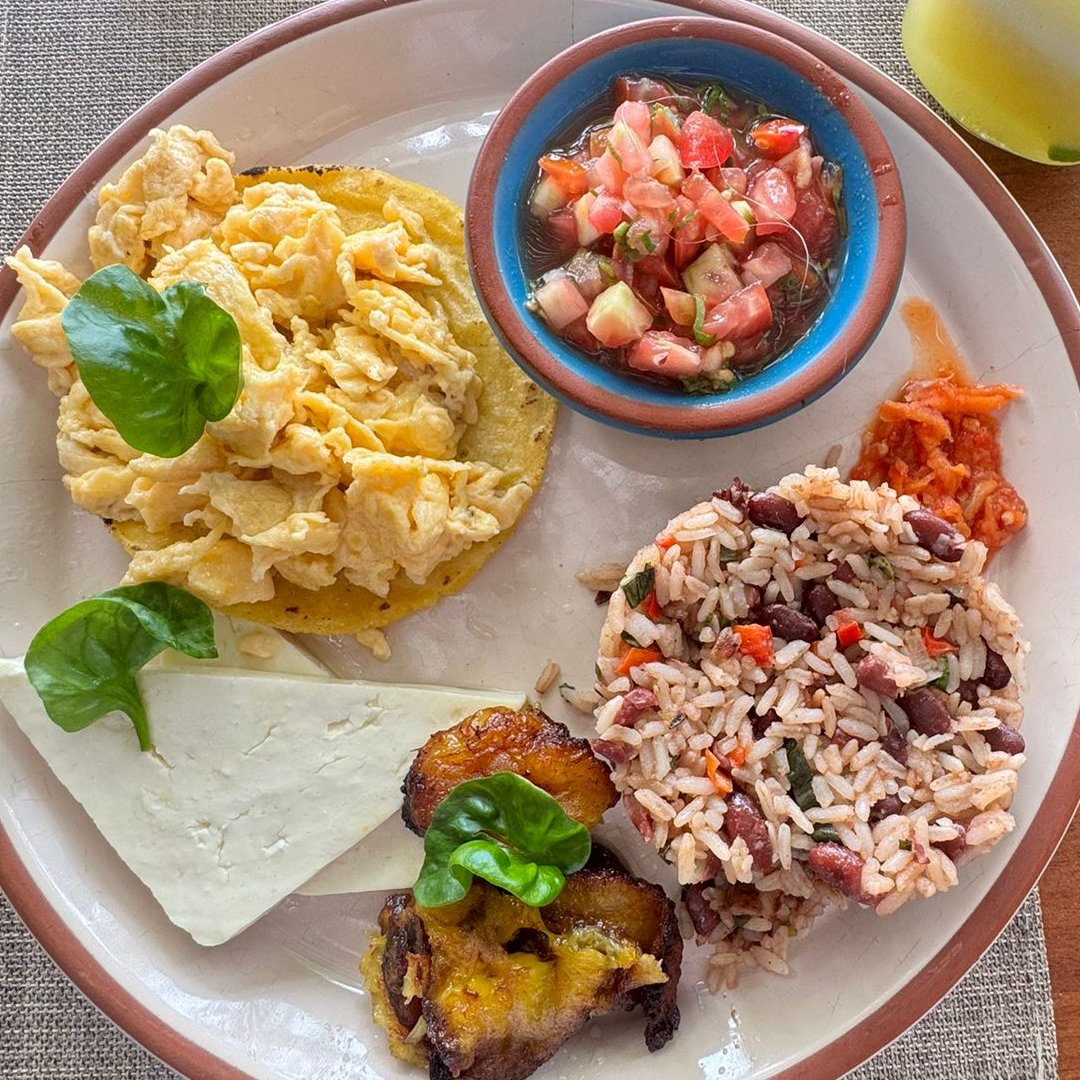
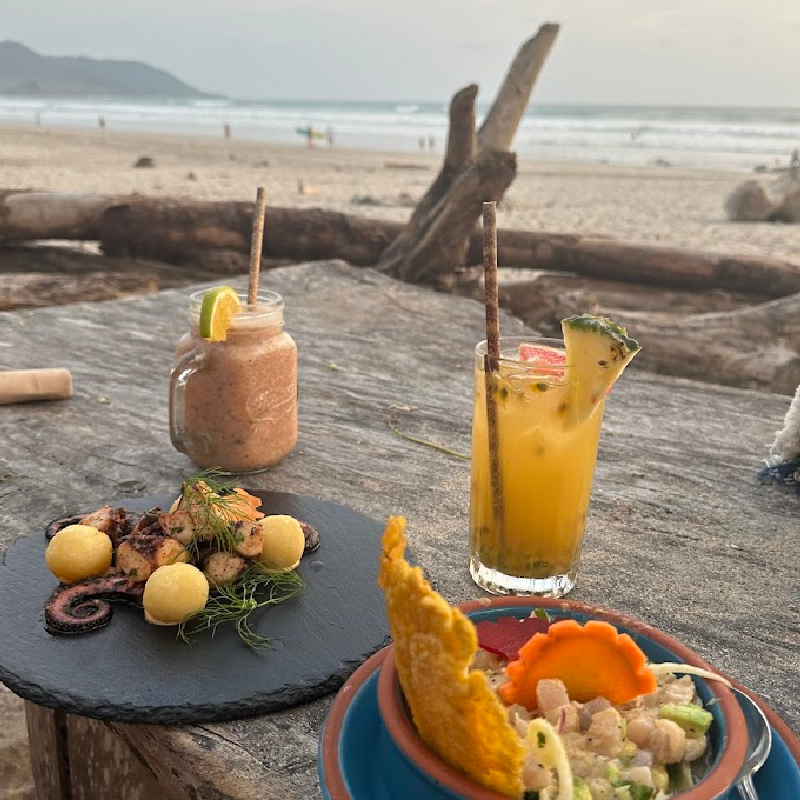
Santa Teresa has developed into one of Costa Rica’s most diverse food destinations, with everything from traditional Costa Rican food and fresh seafood to Italian, Asian, Mediterranean, vegetarian and health-conscious cuisine. For a small beach community, the variety is remarkable, and the restaurant scene reflects the international community that has grown alongside the local population.
Traditional Costa Rican dishes such as casados, ceviche, fresh fish, gallo pinto and patacones remain part of the local food experience, while restaurants and cafés also serve homemade pasta, wood-fired pizza, sushi, curries, Middle Eastern-inspired dishes, artisan coffee, smoothies and creative tropical cuisine.
Santa Teresa’s active lifestyle is also reflected in its food. Healthy breakfasts, fresh juices, smoothie bowls, vegetarian and vegan meals, protein-rich dishes and nutritious post-surf lunches are easy to find. Whether you’re looking for a quick coffee before hitting the waves or a relaxed dinner overlooking the Pacific, there are restaurants and cafés to suit almost every appetite and budget.
One of the pleasures of eating in Santa Teresa is the variety within a very small area. You can have a traditional Costa Rican breakfast in the morning, fresh ceviche for lunch and wood-fired pizza or international cuisine for dinner, all while staying within the same beach community.



Related Stories
Santa Teresa is an excellent base for exploring the Nicoya Peninsula, with waterfalls, wildlife reserves, islands, beaches and small coastal communities all within reach. Some trips can be done independently, while others are easier by organized tour.
Montezuma and its waterfalls are among the easiest and most popular day trips. The small coastal village has a very different atmosphere from Santa Teresa, while the nearby waterfalls offer swimming holes and jungle scenery. Montezuma is close enough to make an easy half- or full-day excursion.
Isla Tortuga is one of the most popular full-day excursions from Santa Teresa. Boat trips typically combine the journey across the Gulf of Nicoya with snorkeling, swimming and time on the island’s white-sand beach. It is also possible to see dolphins, rays, turtles and, depending on the season and conditions, migrating whales along the way. Current tour listings show Tortuga Island as one of the leading day-trip experiences from Santa Teresa.
For wildlife and hiking, Cabo Blanco Absolute Natural Reserve and Curú Wildlife Refuge offer very different experiences. Cabo Blanco protects dry tropical forest and coastline at the southern end of the peninsula, while Curú combines forest, mangroves, beaches and wildlife. Both are worthwhile choices for travelers who want to spend a day away from the surf and explore the natural side of the Nicoya Peninsula.
Other possibilities include Mal País, fishing and horseback-riding excursions, bioluminescence tours around Paquera and Curú, and exploring quieter beaches along the southern peninsula. The best choice depends on whether you want waterfalls, wildlife, snorkeling, fishing or simply another day exploring the peninsula.
▼ Pull-Down Tab: Complete Day Trips and Tours Guide from Santa Teresa


Related Stories


Packing for Santa Teresa is simple once you know what to expect. Santa Teresa has a hot tropical climate, sandy roads and a relaxed beach lifestyle, so lightweight clothing, swimwear, sun protection and comfortable footwear are more useful than formal clothes. Most restaurants and businesses are casual, and beachwear is appropriate for much of the day.
Santa Teresa Packing Essentials
Bring lightweight clothing, swimsuits, bikini cover-ups, shorts, T-shirts, sunglasses, a wide-brimmed hat, reef-safe sunscreen, insect repellent and a reusable water bottle. Comfortable sandals are useful around town, while a pair of sturdy walking shoes or sneakers is recommended for exploring trails, waterfalls and nature reserves.
If you plan to surf, you can bring your own board and equipment, but surfboards, leashes and other equipment are available to rent in Santa Teresa, so there is no need to travel with bulky gear unless you prefer your own.
What to Pack for the Rainy Season
Traveling during Costa Rica’s green season requires a few additional items. A lightweight rain jacket, quick-dry clothing and a waterproof bag or phone case can make afternoon rain showers much easier to handle. A small daypack is useful for beach trips, hiking, horseback riding, waterfalls and other outdoor activities.
During the dry season, sun protection becomes especially important. Sunscreen, sunglasses, a hat and plenty of water should be part of your daily beach kit, particularly if you are surfing, hiking or spending several hours outdoors.
Santa Teresa is casual, tropical and active, so pack for the beach, the ocean and outdoor adventures rather than formal evenings. Bring clothes that are comfortable in hot weather, shoes that can handle sandy and uneven roads, and anything you need to stay protected from the sun and rain. Most importantly, leave some room in your suitcase for the things you may pick up once you arrive.
▼ Pull-Down Tab: Complete Packing Guide for Santa Teresa

Related Stories
Santa Teresa is a destination for travelers who want beautiful Pacific beaches, world-class surfing, tropical nature, great food, wellness, adventure and a relaxed beach-town lifestyle all in one place. What makes it different from many other Costa Rican beach destinations is the combination of wild coastline, jungle, surf culture and an international community that has created an unusually diverse restaurant, wellness and hospitality scene.


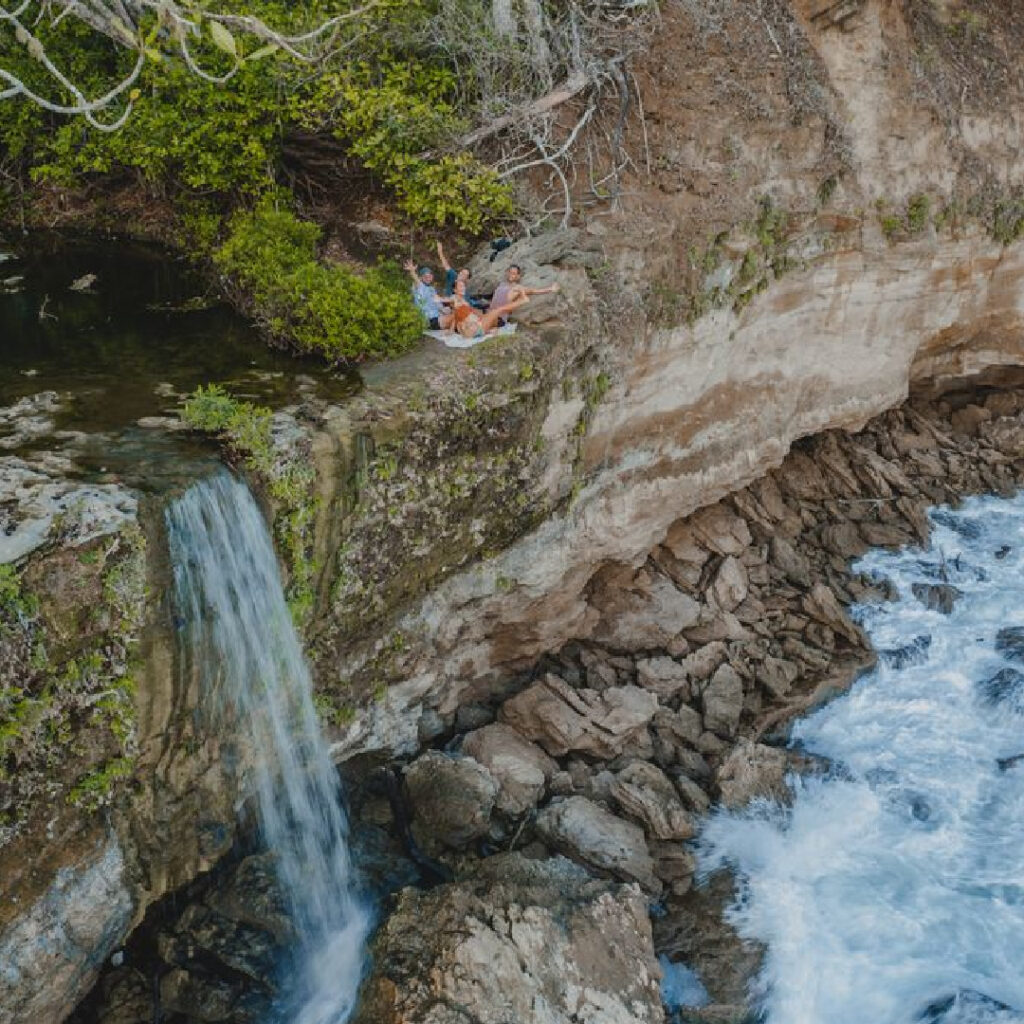
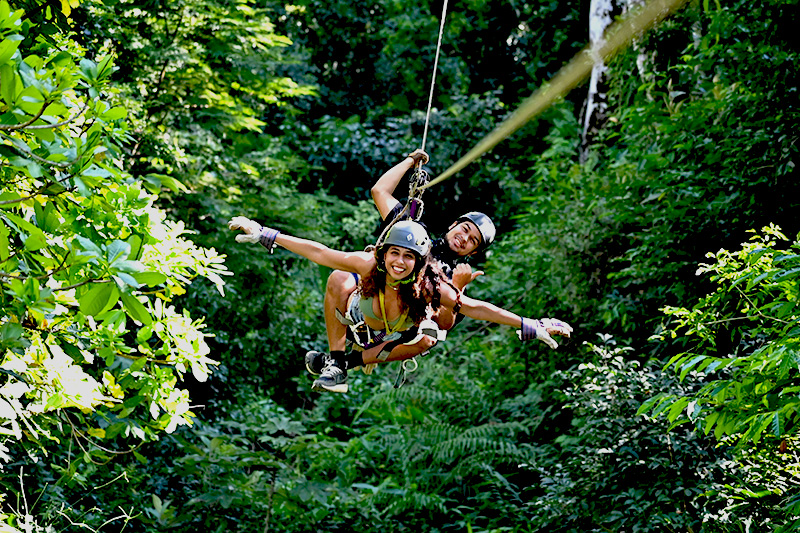

The beach remains at the heart of Santa Teresa. Surfers come for consistent Pacific waves, while visitors who don’t surf can enjoy long beach walks, swimming, sunsets and the simple pleasure of spending the day beside the ocean. Beyond the beach, the surrounding Nicoya Peninsula offers wildlife, hiking, waterfalls, horseback riding, fishing, snorkeling, boat trips and other outdoor adventures.
Santa Teresa has also become known for its yoga, fitness and wellness culture, with studios, retreats, healthy restaurants and activities that fit naturally into the area’s active lifestyle. Add cafés, bakeries, international restaurants, boutique hotels, villas and a lively evening scene, and there is much more to the destination than a single reputation as a surf town.

It is also important to understand what Santa Teresa isn’t. This is not a polished resort town with wide paved roads, large shopping centers and everything organized around convenience. The roads are still largely unpaved, the community stretches along the coast, and getting here takes more effort than reaching some of Costa Rica’s more developed beach destinations. For many travelers, that is part of the attraction.
Santa Teresa is best experienced slowly. Come for the surf, stay for the sunsets, explore the peninsula, eat well, get outside and give yourself enough time to settle into the rhythm of the place. If you’re looking for a Costa Rican beach destination with nature, adventure, wellness and a strong surf-town character, Santa Teresa offers a combination that is difficult to find anywhere else.
▼ Pull-Down Tab: ARTICLE SNOWBIRDS

Related Stories

Plan on spending at least 4–7 days in Santa Teresa to experience the beaches, surfing, restaurants, nature and some of the attractions around the southern Nicoya Peninsula without feeling rushed. Four days gives you enough time to settle in and enjoy the essentials, while a week allows you to mix beach time with day trips and outdoor activities.
If you’re coming primarily to surf, relax or enjoy the beach-town lifestyle, a week or longer is ideal. Santa Teresa has a slower rhythm, and many visitors find that once they arrive, they don’t want to spend their vacation rushing from one attraction to another.
A 3–4 day stay works well for travelers with a shorter Costa Rica itinerary who want to experience Santa Teresa before moving on. With 5–7 days, you can enjoy the beaches and restaurants, take a surf lesson, explore nearby communities, visit places such as Montezuma or Cabo Blanco, and still have plenty of time to simply enjoy the ocean and sunsets.
For travelers with more time, a week or even two weeks can easily be filled with surfing, wellness, fishing, hiking, wildlife experiences, day trips and exploring the beaches of the southern Nicoya Peninsula.
The ideal length of stay ultimately depends on how you travel: come for four days if you want a taste of Santa Teresa, but give yourself a week if you want to experience the place rather than simply visit it.
▼ Pull-Down Tab: ARTICLE MEGALODON TOOTH
Related Stories

Why Travelers Choose Santa Teresa
Santa Teresa can be expensive compared with many other Costa Rican beach towns, but it is very possible to visit when you have limited budgets, we see a large amount of backpackers who find their way here, and also find accommodations and food that fit there budget. It has been like this from the early 90´s when the town was built around backpackers finding their way over the mountain from the popular Montezuma area. Backpackers were first to help shape the hotels and restaurants. It was much later that the wealthy found our town, and with that, they moved in and so the rest is history.. We are a proud village to be able to say that we are indeed able to find a range of budgets to suit the Range of Visitors we get from around the world. The cost of a trip depends heavily on where you stay, where you eat and how you get around. Luxury hotels, private villas, international restaurants, ATVs and organized tours can make a vacation here considerably more expensive, while local restaurants, simple accommodations and independent activities can keep costs much lower.
Accommodation is usually one of the biggest expenses. Santa Teresa has everything from hostels and simple rooms to boutique hotels, beachfront properties and luxury vacation rentals. Prices also change significantly between the busy dry season and quieter periods of the year.
Food can also fit different budgets. Local sodas and smaller restaurants offer traditional Costa Rican meals at much lower prices than many international restaurants, while Santa Teresa’s large selection of upscale restaurants, specialty cafés, health-food restaurants and international cuisine can make dining out considerably more expensive if that is what you are looking for. All 100+ restaurants we have in our area are busy and successful because we cater to both the budget traveler and the luxury traveler, and everyone else in-between.
Transportation is another important part of the budget. Walking and bicycles are inexpensive, while taxis, ATVs, motorcycles and rental cars add to the daily cost. Activities such as surf lessons, fishing trips, boat excursions and guided tours will also increase the cost of a stay. But if you have tours on your list, many of them offer hotel pick ups, and with our beautiful long beaches all connecting to these 4 unique villages, walking becomes a pleasure even if you have large budgets to spend on side by sides.
For travelers watching their budget, Santa Teresa should still be on your list. Choose simple accommodation, eat some meals locally, walk when possible and select a few paid activities rather than trying to do everything. Travelers looking for luxury, on the other hand, can easily build a high-end vacation around boutique hotels, private villas, fine dining, wellness experiences and private tours. So there is something for everyone, and we pride ourselves on that fact.
So, is Santa Teresa expensive? That is a two sided question, and both are correct… It can be — but it doesn’t have to be. The destination gives travelers considerably more choice than its reputation for luxury might suggest, and your spending can be shaped around the kind of trip you want to have. We have a huge community of foreigners that have decided to settle here over their 4 month winters, and they continue to find housing and food at their budgets, so its worth putting on your map if you have always wanted to explore this country.
▼ Pull-Down Tab: ARTICLE, SANTA TERESA WORTH THE EXPENSE

Yes. Santa Teresa can be a wonderful family destination, particularly for families who enjoy beaches, nature, outdoor activities and a relaxed vacation. Children can learn to surf, explore the coastline, see monkeys and other wildlife, swim and play on the beach, and take part in many of the outdoor experiences that make Costa Rica such a popular family destination.
One of the things that makes traveling with children in Costa Rica special is the country’s family-oriented culture. Helping children and welcoming families remain an important part of everyday life, and visitors will find that attitude throughout Santa Teresa. Hotels, restaurants and vacation rentals are accustomed to families, and many properties offer services designed to make traveling with children easier. During the high season, day camps and children’s activity programs are also available, giving parents the opportunity to have some time to themselves while children enjoy a day of activities.
Santa Teresa also makes family dining relatively easy. With more than 100 restaurants and cafés in the area, families have plenty of choices, from traditional Costa Rican food to pizza, pasta, burgers, smoothies, healthy meals and international cuisine. Many larger restaurants offer children’s menus, while smaller local restaurants are generally happy to adapt meals to suit children. Families with dietary restrictions will also find plenty of vegetarian, vegan, gluten-free and health-conscious options.
For families with older children and teenagers, Santa Teresa offers even more opportunities. Surf lessons, horseback riding, zip lining, hiking, snorkeling, fishing, wildlife experiences and boat trips can turn a family vacation into an adventure rather than simply a beach holiday.
For families who enjoy nature, adventure and time outdoors, Santa Teresa offers a memorable Costa Rican family vacation — with plenty of ways for parents and children to enjoy the experience together, and a little help when parents need a break.

Yes, you can swim at Santa Teresa’s beaches, but swimming conditions vary greatly with the beach, tide, waves and currents. Santa Teresa is famous for surfing, so not every section of coastline is equally suitable for swimming. Visitors should always check local ocean conditions and ask locals, lifeguards or surf instructors about the safest places to enter the water.
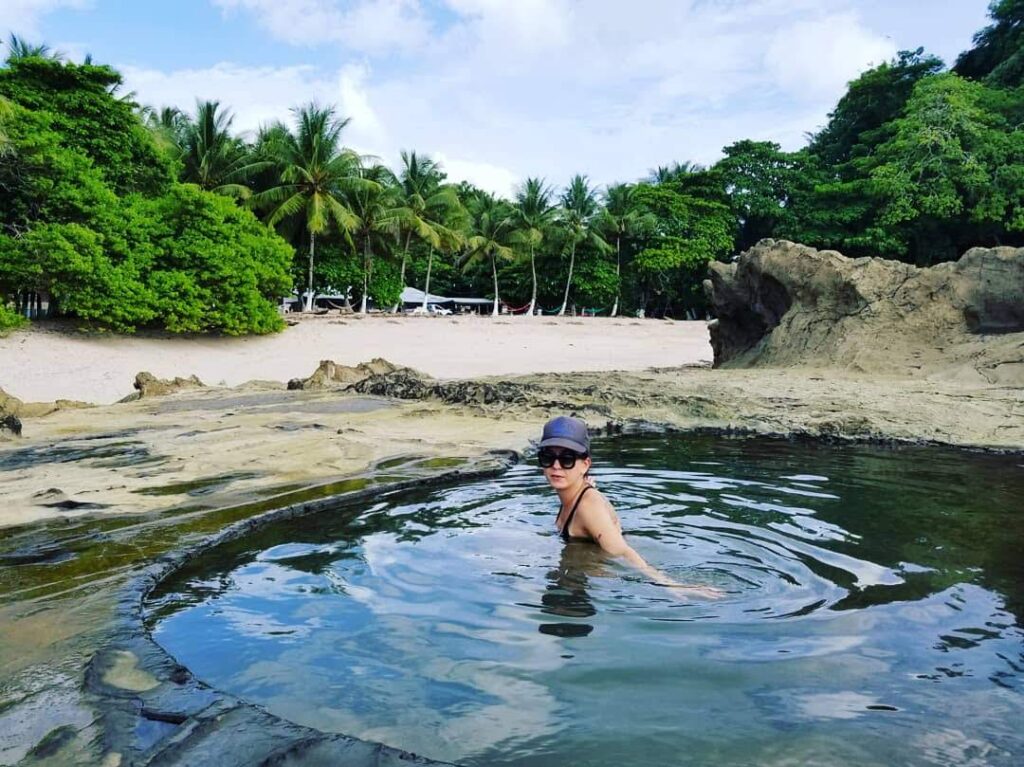
One of the best-kept pleasures of Santa Teresa’s coastline appears at low tide, when volcanic rock formations along the shore create natural tidal pools filled with seawater. These protected swimming pools are especially popular with families and children and can provide a calmer place to cool off when the surf is strong. Some of the larger pools are also good for exploring with a mask and snorkel.
The coastline north of Santa Teresa toward Playa Hermosa has several areas where visitors can enjoy the water and explore tidal pools when the tide is low. Mal País also has smaller natural pools and sheltered areas along its rocky coastline.
Timing is important if you want to visit the tidal pools. Check the tide chart for the day you plan to go and aim to arrive around low tide. The pools are generally accessible for roughly three hours around low tide, although the exact conditions depend on the beach, swell and tide.
Families should take particular care around the ocean. A tidal pool can look calm while the surrounding ocean remains powerful and always check time before entering the waters. The returning tide starts changing every 3 hours, so tidal pools start receiving fresh water, COOLER WATER, when the ocean is heading back in. This is the point to gather you things and move back to the sandy beach area. The ocean is unpredictable, and yet it can appear so gentle, and tidal pools are exactly that gift, so when you are visiting them, keep aware, and watch others around you. If you see a local and their family getting out, that is usually a good sign that the 3 hours are up and time to head back to shore..
For travelers looking for calmer ocean experiences, low-tide swimming and the natural tidal pools offer a completely different way to enjoy Santa Teresa’s coastline. Bring water, sunscreen, a mask and snorkel if you have one, and give yourself enough time to explore before the tide begins coming back in.


The closest domestic airport to Santa Teresa is Cóbano Airport (ACO), a short 25 minutes drive from Santa Teresa.. Domestic flights connect Cóbano with San José and other Liberia international airports. From there the domestic airlines fly to many other tourist destinations in the country.
International travelers generally arrive through Juan Santamaría International Airport (SJO) near San José or Daniel Oduber Quirós International Airport (LIR) in Liberia. From either airport, you can continue to Santa Teresa by rental car, shuttle, private transfer or domestic flight to Cóbano.
Getting to Santa Teresa from San José Airport
The most popular overland route from SJO takes you west on the toll highway (Ruta #27), toward Puntarenas, where you board the Puntarenas–Paquera ferry and across the Gulf of Nicoya. The ferry crossing takes about 75–90 minutes, followed by a rural 90 minute drive from Paquera to Santa Teresa and surrounding villages.

(Photo Credit: Globalvia)
The ferry ride is more than simply a way to get from one side of the gulf to the other. It is a beautiful break in the journey, with wide views across the Gulf of Nicoya and opportunities to see islands, coves and marine life. Keep your camera ready — dolphins and, seasonally, whales can sometimes be spotted from the ferry.
For travelers who prefer to avoid the long drive, a domestic flight from SJO to Cóbano takes 25 minutes, followed by a short road transfer to Santa Teresa.
Getting to Santa Teresa from Liberia Airport
Liberia Airport is another option, particularly for travelers whose international flight connects more conveniently there. The overland route heads south through Guanacaste and across the Nicoya Peninsula toward Paquera and Cóbano before continuing west to Santa Teresa. Unlike the SJO route, you do not need to take the Puntarenas ferry when driving from Liberia. Current route information puts the drive at roughly 5 hours, although actual travel time depends heavily on road conditions and traffic, and how many stops you want to make along the way, with no ferry break make sure you have bottled water with you.
The fastest and easiest way to get to Santa Teresa
For the quickest arrival, fly domestically from San José to Cóbano and arrange ask your host if they have a preferred taxi or shuttle service to use.. It is always advisable to check with your hotel or host whenever possible. This can ensure you have the best trip possible.

Do you need a car in Santa Teresa?
A car is not required, but having transportation makes it easier to explore nearby beaches, restaurants, and attractions. Many visitors choose ATVs, taxis, bicycles, or walking depending on where they stay. If you plan to see the area, and enjoy discovering new places, having transportation will allow you that convenience, however we do have great taxi´s that you can hire by the day if you don´t wish to drive, and there are several tourist shuttle services ´s that offer private shuttles, and group shuttles to all of the attractions in the Nicoya peninsula.
▼ Pull-Down Tab: CONNECT WITH THE TRANSPORT Y TOURS DIRECTORY

(Photo Credit: Naviera Tambor / Mi Prensa CR)
Santa Teresa is famous for its world-class surfing, spectacular Pacific beaches, beautiful sunsets, tropical nature and laid-back beach-town lifestyle. The small community on Costa Rica’s Nicoya Peninsula has grown from a quiet surf destination into an international travel destination while retaining much of its wild coastline and relaxed character.
Surfing is at the heart of Santa Teresa. Consistent Pacific waves attract surfers from around the world, with beaches and breaks offering opportunities for beginners, intermediate surfers and experienced riders. Surf schools, board rentals and a strong local surf culture make the ocean an important part of everyday life.
Santa Teresa has also developed a surprisingly diverse food scene, with more than 100 restaurants, cafés and food businesses offering everything from traditional Costa Rican dishes and fresh seafood to a variety of international cuisines infused with the tropical heartbeat of the pacific ocean. We have international residents that own restaurants with their home-town authentic recipes infused with the tropic´s. You name it and we have it, from Italian Pasta´s, Spanish Paella, Argentine Grill, Asian cuisine to Mediterranean, vegetarian and health-focused cuisine, it´s all here. The area’s international community has helped create a food culture that is unusual for a beach town of its size. So Foodies make this a destination, you won´t be sorry. And remember MalPais is originally a fishing village, and the families provide fresh caught fish daily to all of our restaurants, making this a seafood paradise.
Beyond surfing and food, Santa Teresa is known for its wellness and active lifestyle. We have a wide variety of Studios offering daily classes welcoming walk-ins, or you can buy a weekly or monthly pass. Try one of our many studios that offer Yoga, Pilates, private instructors, open air gyms, breathwork, sauna´s and cold plunge.. Also healthy cafés, and restaurants offer alternative options for different diets. We have a large selection of retreats and outdoor activities that attract visitors who combine a beach vacation with an interest in health and wellbeing.
The surrounding landscape is another major attraction. Tropical forests, wildlife, protected areas, beaches and the Pacific Ocean provide opportunities for hiking, horseback riding, fishing, snorkeling, wildlife watching and exploring the southern Nicoya Peninsula. At night, the area’s dark skies also make Santa Teresa an excellent place for stargazing, or take an extraordinary kayak trip after sunset to view the bioluminescence.
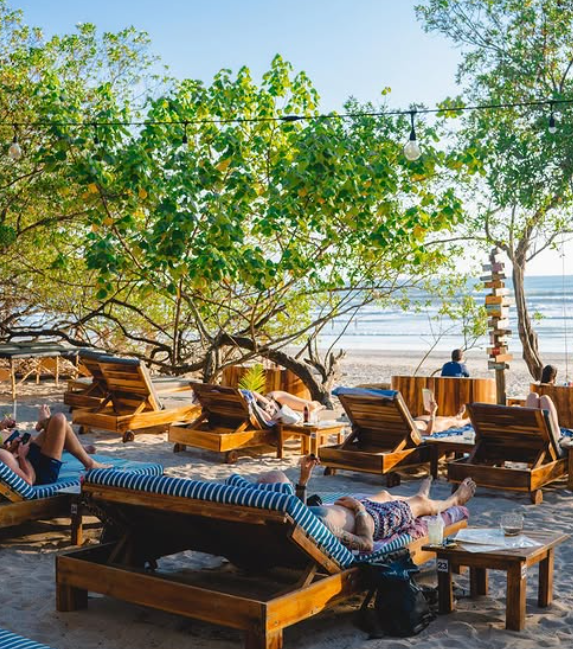
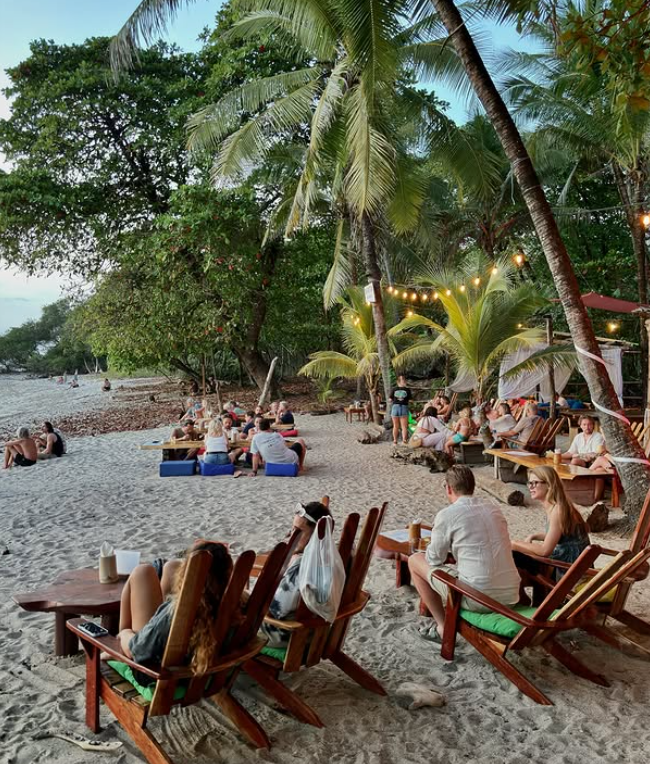
And then there are the sunsets. Santa Teresa faces west over the Pacific, putting the sunset directly over the ocean, directly in front of you, and watching the sky change color at the end of the day has become one of the simple rituals of life here. Beachfront restaurants are a favorite spot to sit, have a drink and watch the sunset all the while you are relaxing in a chair, with your feet in the sand, feet away from the tide.
What ultimately makes Santa Teresa famous is not one attraction but the combination of surf, nature, food, wellness and freedom. It is a place where you can surf in the morning, eat exceptionally well, hike through tropical forest in the afternoon and watch the sun disappear into the Pacific before dinner — all without needing to leave the beach community.




Coming to Santa Teresa is easy, but this is still a remote beach community on the Nicoya Peninsula, not a large city. Knowing a few practical details before you arrive will make your stay much easier.
Money, ATMs & Paying in Santa Teresa
Costa Rica’s official currency is the Costa Rican colón, although U.S. dollars are widely accepted throughout Santa Teresa. Credit and debit cards are accepted at most hotels, restaurants and businesses, but it is still a good idea to carry some cash for small restaurants, local purchases, transportation and places where card machines may not be available.
There are ATMs in the Santa Teresa and Playa Carmen area, but don’t wait until you are almost out of cash to look for one. Machines can occasionally run out of money or experience technical problems, particularly during busy weekends and holidays. Having some colones with you is always a smart backup.
An important Costa Rica money tip: business´s will NOT ACCEPT damaged U.S. dollar bills. Torn, heavily marked, stained or badly worn bills will not be accepted. even when the damage seems minor. Bring clean, newer bills when traveling with U.S. currency or you can go to any bank and they will make an exchange.
Where Can You Buy Groceries in Santa Teresa?
Santa Teresa has several grocery stores, produce shops, specialty food stores and small markets, so visitors staying in vacation rentals don’t need to bring their entire kitchen with them.
For travelers who want to support local businesses and shop locally, Super Ronny’s, Green World, Super La Hacienda, and Super Costa are the oldest and best established supermarkets serving the community.
Among these grocery stores you can find specialty products, health-food and wellness products, organic produce, natural products and specialty ingredients for special need diets.
You can shop for everything from basic breakfast supplies and fresh fruit to ingredients for a full dinner, making a vacation rental with a kitchen a practical option for families and longer stays.
Where Can You Get Medical Care in Santa Teresa?
Santa Teresa has private medical and urgent-care services, pharmacies and access to Costa Rica’s public healthcare system. Private clinics in the area provide general consultations and urgent care, while the nearest public CCSS clinic is in Cóbano.
For visitors, it is useful to know that medical services in Costa Rica are not limited to large cities. Santa Teresa has medical professionals familiar with the needs of international visitors, and all of our private services offer English-language assistance.
For anything serious or requiring hospital-level care, patients may be transferred to a larger medical facility outside the Santa Teresa area.
There are several Ambulance services that accept walk in for minor issues, and they will also offer services to major hospitals. With a quick phone call we also can provide Air-vac services, that can be covered by many travel insurance policies.
For an emergency anywhere in Costa Rica, call 911.
Before your trip, it is also worth checking whether your travel insurance covers medical treatment and emergency transportation.
Where Can You Get Gas in Santa Teresa?
If you rent a car, ATV or motorcycle, it´s easy to find gas at most times of the day or night.
Santa Teresa now has a gas station approximately one kilometer from the main Santa Teresa crossroads, making fuel much more convenient than it has been in the past. There is also a late-night option where travelers can purchase fuel after regular gas-station hours if they unexpectedly run out. You will find that behind Super Costa in middle of town.
For longer drives around the peninsula, particularly toward more remote beaches, fill up before you leave town rather than assuming you’ll find another station along the way.
Is There Electricity in Santa Teresa?
Yes. Santa Teresa has electricity throughout the community, and visitors can use the same appliances, chargers and electrical equipment they would use elsewhere in Costa Rica.
Costa Rica uses 120-volt electricity and the same basic plug configuration used in North America. Travelers arriving from Europe and other regions should bring the appropriate adapter.
One thing visitors should know before arriving is that short local power outages do happen. They can occur more frequently during the rainy season, when storms can affect the electrical system. Most interruptions are brief, but they are part of life in a tropical coastal community.
If you work online, charge your devices whenever you can and consider keeping a power bank available. A short outage doesn’t mean something has gone wrong with your hotel or vacation rental — .it´s all part of Pura Vida.
What About Wi-Fi & Cell Phone Service in Santa Teresa?
Internet access has changed considerably in recent years. Wi-Fi is widely available in hotels, vacation rentals, cafés and restaurants, and many businesses are happy to provide their Wi-Fi password to customers.
If you arrive without internet access or your phone service isn’t working, don’t panic. Restaurants and cafés throughout Santa Teresa (and the entire country), are very happy to let you connect to their Wi-Fi.. It is also common for people to stop at a café when they need to send a message, make a WhatsApp call or find directions.
International travelers should check their home mobile provider before leaving. Many international phone plans now include Costa Rica roaming, so you may already have mobile data and calling available without purchasing a local SIM card. Coverage is generally good around the developed parts of Santa Teresa, although service can become less reliable in the hills and more remote areas.
And if your phone suddenly has no signal, remember: you’re in the jungle, not downtown in your home city. Move a little, try again, or find the nearest café and borrow some Wi-Fi.
What Police Services Should Tourists Know About?
Visitors may encounter several different types of police in Costa Rica, and knowing the difference can make things less confusing.
Fuerza Pública is Costa Rica’s regular national police force responsible for public safety, crime prevention and maintaining public order.
Policía de Tránsito (Tránsito) is the traffic police. They deal with driving-related matters such as traffic violations, accidents, driver’s licenses and vehicle regulations.
Policía Turística (Tourist Police) is part of the country’s security system specifically focused on the needs and safety of visitors. Its responsibilities include tourism-related security and prevention of crimes affecting tourists and their property
For a traveler, the important thing to remember is simple: DIAL 911 for all emergencies. The operators speak spanish and english and will assist in ALL things big or small.
A Few More Things to Know Before You Arrive
Santa Teresa is wonderfully informal, but that also means some things work differently from a major city.
- Cash is still useful, even though card payments are common.
- WhatsApp is widely used for communicating with businesses, transportation providers, accommodations and services. This is a free app and most useful when traveling to stay connected with your hotel or host, and rental car agencies.
- Keep your accommodation and vehicle locked and use the same common-sense precautions you would use at home.
- The roads can be sandy, dusty or muddy depending on the season, so allow extra time when traveling.
- The ocean is powerful. Ask locals or surf instructors about conditions before swimming or surfing.
- Don’t expect everything to operate on a big-city schedule. Pura vida sometimes means things happen when they happen.